
Pregnancy Health Monitoring in Vizag | Scans, Tests & Costs
Table of Contents
Pregnancy Health Monitoring in Vizag | Scans, Tests & Costs
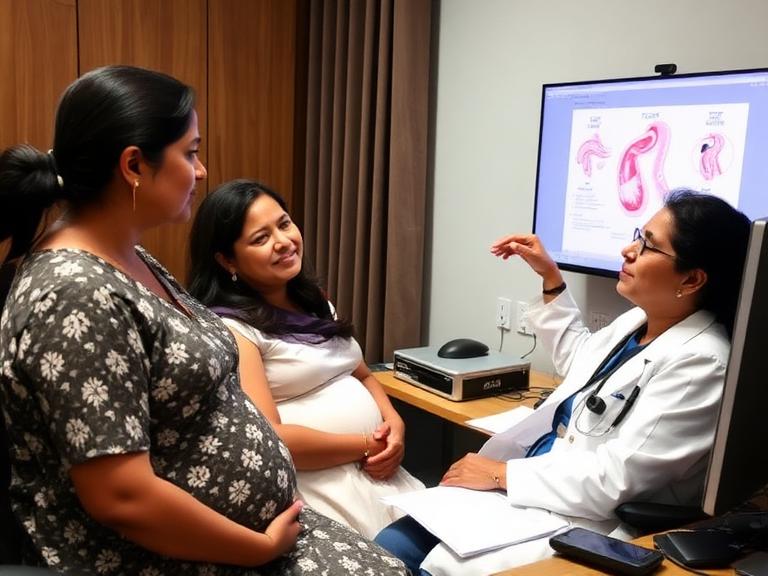
Comprehensive Pregnancy Health Monitoring in Vizag is the foundation of modern, proactive maternity care. From the initial confirmation of a heartbeat to the final weeks preceding delivery, systematically tracking maternal biomarkers and fetal development ensures early identification of complications, optimizes nutritional interventions, and safeguards both mother and child.
Visakhapatnam (Vizag) has developed into a major regional medical center in coastal Andhra Pradesh, offering advanced diagnostic facilities, fetal medicine centers, and high-risk pregnancy units. Whether you reside in central hubs like Maharani Peta, Ram Nagar, and Siripuram, or suburban areas like MVP Colony, Health City Arilova, Gajuwaka, and Madhurawada, accessing state-of-the-art prenatal monitoring has never been more convenient.
This long-form clinical guide provides a deep-dive breakdown of gestational diagnostic protocols across all three trimesters, detailed fetal ultrasound timelines, cost structures in Visakhapatnam, high-risk screening algorithms, and 15 frequently asked questions accompanied by structured JSON-LD schemas.
1. Why Pregnancy Health Monitoring Matters
Pregnancy induces profound physiological changes in every organ system of the female body. Systemic monitoring transforms maternal care from reactive emergency management to preventive, protocol-driven wellness.
                     Objectives of Prenatal Monitoring
 ┌─────────────────────────────────────────────────────────────────────────┐
 │ 1. Physiological Baseline: Tracking BP, sugar, thyroid & blood counts   │
 │ 2. Fetal Anomaly Detection: Screening structural & chromosomal risks    │
 │ 3. Placental & Fluid Check: Evaluating amniotic fluid & blood flow      │
 │ 4. Preventive Care: Preventing preeclampsia, growth restriction & GDM   │
 └─────────────────────────────────────────────────────────────────────────┘
Key Health Monitoring Objectives:
- Maternal Biomarker Tracking: Regular checks for blood pressure elevation, blood sugar fluctuations, hemoglobin drops, and thyroid imbalances prevent conditions like preeclampsia and gestational diabetes.
- Fetal Structural & Genetic Screening: Non-invasive ultrasound scans and serum biochemical markers evaluate fetal anatomical development and assess chromosomal risk (such as Down Syndrome) early.
- Uteroplacental Circulation Checks: Doppler ultrasound studies assess blood flow through the umbilical arteries and uterine vessels to ensure the fetus receives adequate oxygen and nutrition.
- Gestational Age Verification: Accurately measuring fetal parameters ensures proper tracking of growth curves and prevents miscalculations regarding delivery timing.
2. Trimester-Wise Diagnostic Protocols in Visakhapatnam
Maternal-fetal medicine follows a structured timeline. Below is the standard clinical protocol used by obstetricians and diagnostic centers across Vizag.
Trimester Diagnostic Timeline
 ┌────────────────────────────────────────────────────────────────────────┐
 │ First Trimester (Wks 1–12)  : Beta-HCG, Early Viability, NT/NB Scan    │
 │ Second Trimester (Wks 13–27): TIFFA Scan, Quad Screen, OGTT (Diabetes) │
 │ Third Trimester (Wks 28–40) : Growth Scan, Color Doppler, NST / BPP    │
 └────────────────────────────────────────────────────────────────────────┘
First Trimester (Weeks 1 to 12): Foundation & Screening
- Pregnancy Confirmation & Beta-HCG: Quantitative blood serum tests evaluate hormone trajectory, particularly when ruling out ectopic pregnancies or early threatened miscarriages.
- Baseline Antenatal Profile (ANC Panel): Includes Complete Blood Count (CBC), Blood Grouping & Rh typing, Fasting Blood Sugar, Thyroid Stimulating Hormone (TSH), HbA1c, Urine Routine/Culture, and viral markers (HIV, HBsAg, HCV, VDRL).
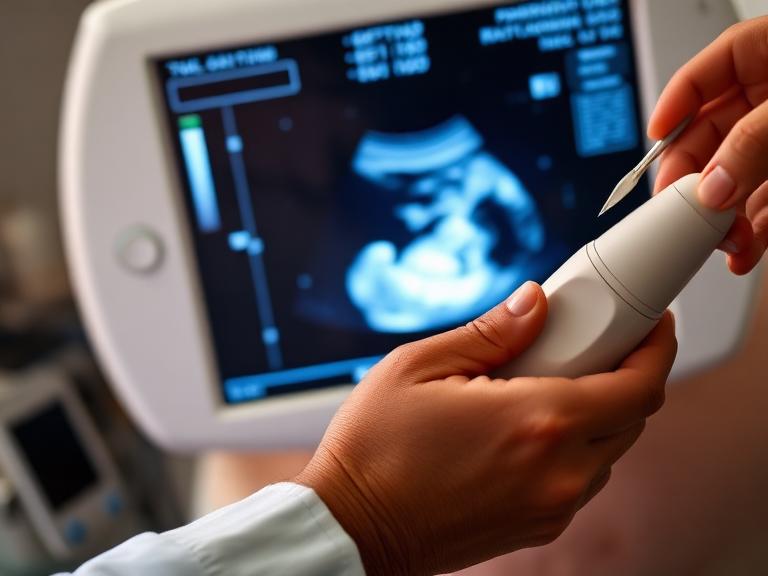
- Early Viability / Dating Ultrasound (Weeks 6–8): Confirms intra-uterine implantation, verifies gestational sac location, establishes single or multiple gestations, and detects the fetal heart flicker.
- Nuchal Translucency (NT) & Nasal Bone (NB) Scan (Weeks 11–13+6): Measures fluid thickness behind the fetal neck alongside nasal bone visualization to calculate early risk for trisomies (Chromosomes 21, 18, 13).
- First Trimester Dual Marker Biochemical Screen: Blood test combined with the NT scan (Combined First Trimester Screening) to improve chromosomal anomaly detection rates up to 90–95%.
Second Trimester (Weeks 13 to 27): Anatomical Precision & Metabolic Evaluation
- Targeted Imaging for Fetal Anomalies (TIFFA / Anomaly Scan – Weeks 18–22): The most comprehensive scan of pregnancy. It systematically evaluates every fetal organ—brain ventricles, facial profile, spine integrity, 4-chamber cardiac view, stomach bubble, kidneys, bladder, and limb long bones.
- Oral Glucose Tolerance Test (OGTT / OGTT 75g – Weeks 24–28): Evaluates maternal glucose handling following a 75g oral glucose load (checking Fasting, 1-Hour, and 2-Hour levels) to diagnose Gestational Diabetes Mellitus (GDM).
- Maternal Serum Quadruple Screen (Weeks 15–20): Alternative serum screening measuring AFP, hCG, uE3, and Inhibin-A for mothers who missed first-trimester dual marker screening.
- Cervical Length Surveillance (Transvaginal Ultrasound): Monitors internal os status and cervical length to identify risk of cervical insufficiency and preterm birth.
Third Trimester (Weeks 28 to Birth): Fetal Well-being & Delivery Preparation
- Fetal Growth & Wellbeing Ultrasound (Weeks 28–32 & 36): Estimates fetal weight (EFW), monitors growth percentiles, measures Amniotic Fluid Index (AFI), and assesses placental maturity/location.
- Obstetric Color Doppler Study: Evaluates blood flow velocities in the Umbilical Artery, Middle Cerebral Artery (MCA), and Uterine Arteries to detect placental insufficiency, fetal hypoxia, or intrauterine growth restriction (IUGR).
- Non-Stress Test (NST) & Biophysical Profile (BPP – Weeks 32+): Electronic cardiotocography (CTG) records fetal heart rate responses to fetal movements over 20–30 minutes, combined with ultrasound evaluation of fetal breathing and muscle tone.
- Repeat Hemoglobin, Urine Protein & Serology Panels: Screens for late-onset maternal anemia, asymptomatic urinary infections, or preeclampsia signs (proteinuria) prior to labor.
3. Specialized High-Risk Genetic & Fetal Monitoring
For pregnancies involving advanced maternal age ($\ge 35$), abnormal routine screens, previous genetic issues, or chronic conditions, advanced diagnostic tools are utilized in Visakhapatnam.
| Advanced Diagnostic Test | Clinical Indication | Methodology & Timing | Accuracy & Scope |
| Non-Invasive Prenatal Testing (NIPT / NIPS) | High risk on Dual Marker/NT scan, maternal age $> 35$, past chromosomal issues | Cell-free fetal DNA extraction from maternal blood sample (From 10+ weeks onward) | $> 99\%$ detection rate for Down Syndrome (Trisomy 21), Edwards (18), and Patau (13) |
| Chorionic Villus Sampling (CVS) | Confirmed high-risk genetic screen or structural abnormality on early ultrasound | Ultrasound-guided placental tissue biopsy (Weeks 11–14) | Diagnostic (100% karyotyping accuracy for chromosomal abnormalities) |
| Amniocentesis | Abnormal TIFFA scan, positive NIPT, or hereditary metabolic risks | Ultrasound-guided aspiration of amniotic fluid (Weeks 15–20) | Gold-standard diagnostic karyotyping and chromosomal microarray analysis |
| Fetal Echocardiography | Maternal diabetes, IVF conception, family history of congenital heart disease, or abnormal cardiac scan | Specialized high-resolution 4D ultrasound focusing on fetal heart structure (Weeks 20–24) | Detailed assessment of cardiac chambers, valves, great arteries, and rhythm |
4. Cost Breakdown of Pregnancy Tests & Scans in Vizag
Diagnostic expenses vary depending on whether testing is conducted at standalone pathology centers, specialized fetal radiology labs, or corporate multi-specialty hospitals.
Estimated Diagnostic Costs Across Visakhapatnam
| Diagnostic Test / Procedure | Standalone Diagnostic Labs | Fetal Medicine / Specialty Centers | Corporate Hospital Facilities |
| Quantitative Beta-HCG Serum Test | ₹400 – ₹700 | ₹600 – ₹900 | ₹800 – ₹1,200 |
| Comprehensive First-Trimester ANC Panel | ₹1,200 – ₹2,000 | ₹1,800 – ₹2,800 | ₹2,500 – ₹4,000 |
| Early Viability / Dating Ultrasound | ₹600 – ₹1,000 | ₹1,000 – ₹1,500 | ₹1,200 – ₹2,000 |
| NT/NB Ultrasound + Dual Marker Screen | ₹2,200 – ₹3,500 | ₹3,500 – ₹5,000 | ₹4,500 – ₹6,500 |
| TIFFA Anomaly Scan (Detailed Fetal Imaging) | ₹1,800 – ₹2,800 | ₹2,800 – ₹4,200 | ₹3,500 – ₹5,500 |
| Non-Invasive Prenatal Testing (NIPT Screen) | ₹6,500 – ₹12,000 | ₹10,000 – ₹16,000 | ₹14,000 – ₹22,000 |
| Obstetric Color Doppler & Growth Ultrasound | ₹1,500 – ₹2,200 | ₹2,200 – ₹3,200 | ₹2,800 – ₹4,500 |
| Non-Stress Test (NST / CTG Trace) | ₹400 – ₹700 | ₹600 – ₹1,000 | ₹800 – ₹1,500 |
5. Diagnostic Infrastructure & Fetal Scan Hubs in Visakhapatnam
Visakhapatnam houses various diagnostic chains, specialized fetal scan units, and hospital departments across key commercial and residential areas.
                     Diagnostic Centers Across Vizag
 ┌────────────────────────────────────────────────────────────────────────┐
 │ Central Hubs (Maharani Peta / Ram Nagar / Siripuram / Jagadamba)        │
 │ - Medicover Woman & Child, CARE, OMNI, Lotus Hospitals, Vijaya Scans    │
 ├────────────────────────────────────────────────────────────────────────┤
 │ Suburban Centers (MVP Colony / Health City Arilova)                    │
 │ - Rainbow BirthRight, Apollo Health City, Pinnacle, Mahatma Gandhi     │
 ├────────────────────────────────────────────────────────────────────────┤
 │ Industrial & Northern Corridors (Gajuwaka / Sheela Nagar / Madhurawada)│
 │ - KIMS Cuddles, Tapadia Diagnostics, Redcliffe Labs, Local Centers     │
 └────────────────────────────────────────────────────────────────────────┘
Healthcare Zones in Vizag:
- Central Medical Belt (Maharani Peta, Jagadamba Junction & Ram Nagar):
- Medicover Woman & Child Hospital & CARE Hospitals: Equipped with in-house fetal ultrasound rooms, pathology labs, and emergency diagnostic capability.
- OMNI Hospitals & Vijaya Diagnostic Center: Established facilities offering routine blood work, ANC profiles, and ultrasound imaging.
- Specialty Corridor (Siripuram & MVP Colony):
- Lotus Hospitals for Women & Children: Specialized maternal fetal scan units and biochemistry labs.
- Mahatma Gandhi Cancer Hospital & Diagnostic Block: High-end imaging infrastructure and specialized pathology.
- Health City Arilova Hub:
- BirthRight by Rainbow Children’s Hospital: Features sub-specialized maternal-fetal medicine consultants, 3D/4D color Doppler ultrasound units, and genetic counseling services.
- Apollo Health City: Multi-specialty diagnostic center handling high-risk fetal monitoring, amniocentesis, and intensive prenatal screenings.
- Suburban Areas (Gajuwaka, Sheela Nagar & Madhurawada):
- KIMS Cuddles (Sheela Nagar): Comprehensive women’s health setup offering full fetal monitoring services.
- Diagnostic Networks (Tapadia Diagnostics, Redcliffe Labs, Healthians): Offer home sample collection for routine blood tests (ANC profiles, thyroid, diabetes, NIPT) across Gajuwaka, Steel Plant Township, and Madhurawada.
6. Daily Home Health Tracking for Expecting Mothers
While clinical tests occur periodically, daily self-monitoring at home provides valuable baseline data for your obstetrician.
Daily Home Self-Monitoring Routine
 ┌──────────────────────────────────────────────────────────────────────────┐
 │ 1. Blood Pressure Tracking: Keep log if history of hypertension exists   │
 │ 2. Blood Glucose Logging: Test Fasting & Post-Meal values if diagnosed GDM│
 │ 3. Fetal Kick Counts: Count movements daily after 28 weeks (Target: 10/2 hrs)│
 │ 4. Weight Monitoring: Track weekly weight gain trends                    │
 │ 5. Symptom Vigilance: Watch for headaches, vision changes, or swelling   │
 └──────────────────────────────────────────────────────────────────────────┘
7. Frequently Asked Questions (FAQs)
Q1: What is the most critical ultrasound scan during pregnancy monitoring?
The Targeted Imaging for Fetal Anomalies (TIFFA / Anomaly Scan), performed between weeks 18 and 22, is considered the most critical ultrasound scan. It evaluates fetal anatomical structure, organ formation, placental positioning, and amniotic fluid levels in detail.
Q2: How often should I get blood sugar tests during pregnancy?
A baseline fasting blood sugar test is conducted during the first trimester ANC panel. The definitive Oral Glucose Tolerance Test (OGTT) is performed between weeks 24 and 28. If you have pre-existing diabetes or GDM, home blood sugar monitoring may be recommended multiple times daily.
Q3: What is the difference between an NT Scan and a TIFFA Scan?
- NT Scan (Weeks 11–13+6): Measures fluid behind the fetal neck to calculate early risk for chromosomal abnormalities like Down Syndrome.
- TIFFA Scan (Weeks 18–22): A detailed anatomical evaluation checking all organs, spine integrity, facial features, and limb development.
Q4: Are fetal ultrasound scans safe for my baby?
Yes. Medical ultrasound utilizes high-frequency sound waves—not ionizing radiation. Scans performed by certified radiologists or fetal medicine specialists are safe for both mother and fetus throughout pregnancy.
Q5: How do I track fetal kick counts at home during the third trimester?
Starting around week 28, choose a quiet time after a meal (when blood sugar rises). Count fetal movements (kicks, rolls, flutters). You should ideally count at least 10 distinct movements within 2 hours. Report any sudden drop in fetal activity to your doctor.
Q6: What does an abnormal Dual Marker test result mean?
A “high-risk” or positive Dual Marker test result is a statistical risk assessment, not a direct diagnosis. It indicates a higher probability of chromosomal variation and warrants follow-up testing, such as Non-Invasive Prenatal Testing (NIPT) or diagnostic Amniocentesis.
Q7: What is Non-Invasive Prenatal Testing (NIPT) and is it available in Vizag?
NIPT screens cell-free fetal DNA circulating in maternal blood to detect chromosomal trisomies (21, 18, 13) with over 99% accuracy. It is widely available across leading diagnostic labs and fetal centers in Visakhapatnam starting from 10 weeks of gestation.
Q8: How much does a complete pregnancy diagnostic monitoring package cost in Vizag?
A routine health monitoring package across all three trimesters—including basic blood/urine panels, NT scan, TIFFA scan, OGTT, and growth Doppler—typically ranges between ₹8,000 and ₹18,000 depending on the diagnostic facility.
Q9: Why is an Obstetric Color Doppler scan needed in the third trimester?
A Color Doppler evaluates blood flow through the umbilical cord, brain vessels, and placenta. It confirms that the baby is receiving sufficient oxygen and nutrients, which is crucial if Intrauterine Growth Restriction (IUGR) or preeclampsia is suspected.
Q10: What is a Non-Stress Test (NST) and when is it performed?
An NST uses electronic monitors attached to the maternal abdomen to record fetal heart rate patterns alongside fetal movements or uterine contractions. It is performed after week 32 in high-risk pregnancies or past the due date to verify fetal cardiac health.
Q11: What is Gestational Diabetes Mellitus (GDM) and how is it monitored?
GDM is high blood sugar that develops during pregnancy. It is monitored through fasting and post-prandial blood sugar checks, HbA1c panels, customized meal planning, and serial ultrasound scans to check fetal growth and amniotic fluid levels.
Q12: Can I get home sample collection for pregnancy blood tests in Visakhapatnam?
Yes. Major diagnostic networks (such as Tapadia Diagnostics, Redcliffe Labs, and Apollo 24|7) offer home sample collection across Vizag for routine blood panels, thyroid tests, OGTT, and NIPT screenings.
Q13: What is Amniotic Fluid Index (AFI) and why is it tracked?
AFI measures the volume of amniotic fluid surrounding the fetus. Normal fluid levels protect the fetus and support lung development. Low fluid (Oligohydramnios) or excess fluid (Polyhydramnios) requires close monitoring by your obstetrician.
Q14: What is the significance of checking maternal Thyroid (TSH) levels?
Thyroid hormones are essential for fetal brain and nervous system development, especially in the first trimester before the baby’s own thyroid functions. Maintaining TSH within trimester-specific reference ranges prevents developmental delays and pregnancy complications.
Q15: What signs require immediate emergency diagnostic evaluation?
Seek immediate emergency medical care if you observe vaginal bleeding, sudden leakage of fluid, severe low abdominal cramping, persistent severe headache, sudden facial/hand swelling, blurred vision, high fever, or a noticeable reduction in fetal movements.