Miscarriage Care in Vizag | Expert Early Loss & D&C Treatment
Table of Contents
Miscarriage Care in Vizag | Expert Early Loss & D&C Treatment
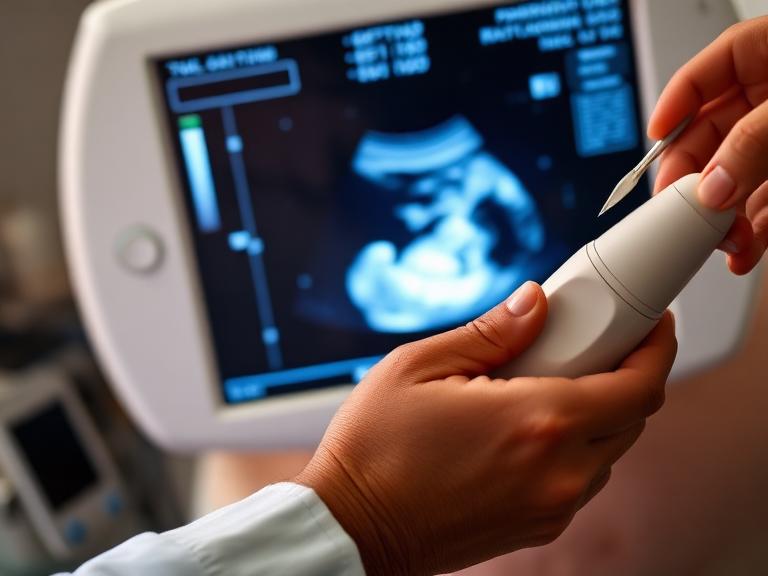
Seeking compassionate, evidence-based Miscarriage Care in Vizag is an essential healthcare need for women and couples navigating early pregnancy loss. Miscarriage—clinically referred to as spontaneous abortion or early pregnancy loss—occurs in approximately 15% to 20% of all clinically recognized pregnancies worldwide. Experiencing a miscarriage is a profoundly challenging medical and emotional event. Beyond immediate medical intervention to prevent infection or hemorrhage, women require empathetic psychological support, precise diagnostic evaluation to determine underlying causes, and proactive planning for future healthy gestations.
Visakhapatnam (Vizag) has developed into a premier healthcare destination along the coastal Andhra Pradesh belt. Equipped with NABL-accredited diagnostic laboratories, high-resolution transvaginal sonography (TVS) units, sterile day-care surgical suites, and dedicated high-risk obstetric clinics, Vizag offers comprehensive emergency and elective care for pregnancy loss. From central healthcare corridors along Maharani Peta (near King George Hospital), Jagadamba Junction, Siripuram, Ram Nagar, and MVP Colony to modern suburban medical complexes in Health City Arilova, Sheela Nagar, Madhurawada, and Gajuwaka, women in Vizag have access to experienced gynecologists and fetal medicine specialists.


This comprehensive clinical guide provides a deep dive into Miscarriage Care in Vizag—covering clinical types of spontaneous loss, immediate diagnostic steps, management choices (expectant, medical, and surgical D&C/MVA), Recurrent Pregnancy Loss (RPL) diagnostic workups, Rh-negative blood protocols, emotional recovery, localized cost structures across Vizag hospitals, a provider selection checklist, 15 detailed FAQs, and structured JSON-LD schemas.
1. Clinical Classifications of Early Pregnancy Loss
Miscarriage is medically defined as the spontaneous loss of a pregnancy before 20 weeks of gestation (or when the fetus weighs under 500 grams). Obstetricians categorize pregnancy loss into distinct clinical types based on symptoms, cervical dilation, ultrasound findings, and whether gestational tissue remains inside the uterus.
                  Clinical Spectrum of Pregnancy Loss
 ┌────────────────────────────────────────────────────────────────────────┐
 │ 1. Threatened Miscarriage : Vaginal Bleeding, Closed Cervix, Viable Fetal Heart │
 │ 2. Inevitable Miscarriage  : Bleeding, Open Cervical Os, Impending Loss   │
 │ 3. Incomplete Miscarriage  : Partial Tissue Evacuation, Open Cervix, Pain │
 │ 4. Complete Miscarriage    : Full Tissue Passage, Closed Os, Easing Pain  │
 │ 5. Missed (Silent) Loss    : Non-viable Fetus/Sac, Closed Os, No Bleeding  │
 │ 6. Septic Miscarriage      : Infected Uterine Contents, Fever, Purulent Discharge│
 └────────────────────────────────────────────────────────────────────────┘
Understanding the Clinical Categories
- Threatened Miscarriage: Marked by light vaginal spotting or mild pelvic cramping, but ultrasound confirms a viable fetus with active cardiac motion and a closed internal cervical os. With supportive care, many threatened miscarriages continue safely to term.
- Inevitable Miscarriage: Marked by heavier vaginal bleeding, severe lower abdominal cramping, and progressive internal cervical dilation. Spontaneous loss cannot be prevented.
- Incomplete Miscarriage: Occurs when some products of conception (POC) pass from the uterus while residual placental or fetal tissue remains trapped inside the uterine cavity. This requires medical or surgical evacuation to prevent hemorrhage and pelvic infection.
- Complete Miscarriage: All fetal and placental tissues pass spontaneously. Bleeding tapers off, pelvic cramping subsides, and ultrasound reveals a clean, thin endometrial lining with a closed cervix.
- Missed (Silent) Miscarriage: The fetus has ceased to develop or the gestational sac is empty (anembryonic pregnancy / blighted ovum), but no vaginal bleeding or cramping has occurred. The pregnancy tissue remains inside the uterus with a closed cervix.
- Septic Miscarriage: An infected miscarriage characterized by high fever, offensive purulent discharge, severe pelvic pain, and maternal systemic illness. It requires immediate hospital admission, broad-spectrum intravenous antibiotics, and urgent surgical uterine evacuation.
2. Immediate Diagnostic Evaluation Protocols
When a pregnant woman presents with vaginal bleeding or pelvic pain in Visakhapatnam, gynecologists follow a standardized diagnostic protocol to confirm pregnancy viability, locate the gestational sac, and rule out life-threatening conditions like ectopic pregnancy.
               Diagnostic Assessment Workflow
 ┌────────────────────────────────────────────────────────────────────────┐
 │ Step 1: Hemodynamic & Physical Exam (BP, Pulse, Abdominal/Pelvic Os)  │
 │ Step 2: High-Resolution Transvaginal Sonography (TVS Ultrasound)      │
 │ Step 3: Serial Quantitative Serum Beta-hCG Profiling (48-Hour Interval) │
 │ Step 4: Baseline Blood Panel (CBC, Rh Typing, Coagulation Screen)     │
 └────────────────────────────────────────────────────────────────────────┘
Key Diagnostic Steps
- Transvaginal Sonography (TVS): TVS is the gold standard diagnostic tool for early pregnancy loss. It evaluates:
- Crown-Rump Length (CRL): A CRL $\ge 7\text{ mm}$ without a detectable fetal heartbeat confirms an embryonic pregnancy loss.
- Mean Sac Diameter (MSD): An MSD $\ge 25\text{ mm}$ without an embryo or yolk sac confirms an anembryonic pregnancy (blighted ovum).
- Subchorionic Hematoma: Evaluates blood collection between the gestational sac and uterine wall in threatened miscarriages.
- Serial Quantitative Serum Beta-hCG: In very early gestations where ultrasound findings are uncertain, serum Beta-hCG is measured twice, 48 hours apart. In a healthy intrauterine pregnancy, hCG levels typically double every 48 to 72 hours. Falling or plateauing hCG levels indicate non-viability or ectopic pregnancy.
- Maternal Blood Typing & Rh Factor: Determining Rh factor is mandatory during early loss evaluation. Rh-negative mothers require Anti-D immunoglobulin injection within 72 hours to prevent alloimmunization in future pregnancies.
3. Active Management Pathways for Miscarriage in Vizag
Once non-viability or incomplete loss is confirmed, doctors and patients select from three main management pathways based on clinical stability, gestational age, and personal preference.
                 Miscarriage Treatment Options
                               │
        ┌──────────────────────┼──────────────────────┐
        ▼                      ▼                      ▼
 [Expectant Management]    [Medical Management]   [Surgical Management]
  - Wait for spontaneous   - Oral/Vaginal meds    - Manual Vacuum Aspiration
    tissue passage           (Mifepristone /        (MVA) or Electric D&C
  - Takes 1 to 2 weeks       Misoprostol)         - Immediate, controlled
  - Suitable for stable    - 80%–90% success      - Safe day-care procedure
    early losses             in 24–48 hours         for heavy bleeding
1. Expectant Management (“Watch and Wait”)
Expectant management involves waiting naturally for the uterus to expel remaining pregnancy tissue without medical or surgical intervention.
- Suitability: Best suited for clinically stable women with incomplete or missed miscarriages in the first 8 to 9 weeks of pregnancy.
- Timeline: Tissue passage typically occurs within 7 to 14 days.
- Pros & Cons: Avoids medical side effects or surgical risks, but involves unpredictable timing, prolonged bleeding, and a higher chance of eventually needing an emergency surgical procedure if tissue passage is incomplete.
2. Medical Management (Pharmacological Evacuation)
Medical management uses FDA- and DCGI-approved prescription medications to induce uterine contractions and soften the cervix, helping the body pass remaining tissue safely at home or in a day-care setting.
- Standard Protocol:
- Mifepristone (200 mg oral): Blocks progesterone receptors, priming the uterine lining and cervix.
- Misoprostol (800 mcg buccal or vaginal): Administered 24 to 48 hours after mifepristone to induce mild-to-moderate uterine contractions and cervical dilation.
- Success Rate: Achieves successful tissue expulsion in 80% to 90% of early losses.
- Side Effects: Temporary abdominal cramping, moderate bleeding with blood clots, mild fever, chills, and nausea. A follow-up ultrasound scan at 7 to 14 days confirms complete clearance.
3. Surgical Management (Manual Vacuum Aspiration – MVA / Dilation & Curettage – D&C)
Surgical intervention involves gently emptying the uterine cavity in a controlled clinical environment.
- Indications: Mandatory for heavy bleeding, maternal hemodynamic instability, signs of uterine infection (septic loss), failed medical treatment, or patient preference for immediate resolution.
- Surgical Techniques:
- Manual Vacuum Aspiration (MVA): A gentle, minimally invasive day-care procedure that uses a handheld suction syringe to evacuate the uterine cavity. It is performed under local anesthesia or light sedation with minimal recovery time.
- Electric Suction D&C (Dilation and Curettage): Performed in an operating room under short general anesthesia or IV sedation. The cervix is gently dilated, and suction curettage removes residual tissue safely.
- Pros & Cons: Offers immediate tissue clearance, predictable timing, minimal post-procedure bleeding, and low complication rates ($<1\%$) when performed by experienced gynecologists.

4. Recurrent Pregnancy Loss (RPL) Diagnostic Workup
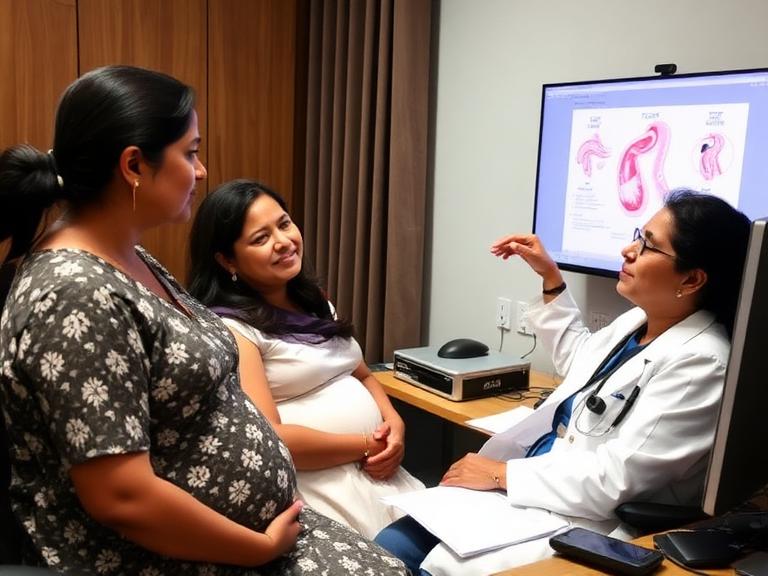
When a woman experiences two or more consecutive miscarriages, the condition is clinically defined as Recurrent Pregnancy Loss (RPL) or recurrent miscarriage. Dedicated RPL clinics across Vizag perform systematic multi-specialty testing to identify underlying causes.
                 Recurrent Pregnancy Loss (RPL) Workup
 ┌────────────────────────────────────────────────────────────────────────┐
 │ 1. Parental Karyotyping     : Identifies balanced structural translocations│
 │ 2. Thrombophilia Screening  : Antiphospholipid Syndrome (APS) & Factor V│
 │ 3. Uterine Anatomy Imaging  : 3D Ultrasound, Hysteroscopy, HSG         │
 │ 4. Endocrine & Metabolic    : HbA1c, TSH, Anti-TPO, Prolactin, Ovarian │
 │ 5. Male Factor Assessment   : Sperm DNA Fragmentation Index (DFI)      │
 └────────────────────────────────────────────────────────────────────────┘
Causes and Diagnostic Protocols for Recurrent Loss
| Etiological Factor | Diagnostic Test Protocol | Therapeutic & Preventative Strategy |
| Parental Genetic Translocations | Peripheral Blood Parental Karyotyping ($G$-banding). | Pre-implantation Genetic Testing (PGT-A / PGT-SR) with IVF; genetic counseling. |
| Antiphospholipid Syndrome (APS) | Lupus Anticoagulant, Anti-Cardiolipin (aCL), Anti-$\beta_2$-Glycoprotein I antibodies. | Low-Dose Aspirin ($150\text{ mg}$) + Low Molecular Weight Heparin (LMWH) injections. |
| Uterine Structural Anomalies | 3D Pelvic TVS, Diagnostic Hysteroscopy, Hysterosalpingography (HSG). | Hysteroscopic resection of uterine septum, submucosal fibroids, or intrauterine adhesions. |
| Cervical Incompetence | Serial TVS cervical length screening (Weeks 14–24). | Elective Cervical Cerclage placement at 12–14 weeks. |
| Endocrine & Metabolic Disorders | Fasting Blood Sugar, HbA1c, TSH, Anti-TPO antibodies, Serum Prolactin. | Strict glycemic control, Levothyroxine thyroid optimization, progesterone supplementation. |
| Male Factor Abnormalities | Advanced Semen Analysis + Sperm DNA Fragmentation Index (DFI). | Antioxidant therapy, lifestyle modifications, ICSI with sperm selection. |
5. Rh Incompatibility & Anti-D Immunoglobulin Protocol
Managing blood type compatibility is a vital component of early pregnancy loss care.
             Rh Incompatibility Protection Protocol
 ┌────────────────────────────────────────────────────────────────────────┐
 │ Maternal Rh-Negative Blood Status Confirmed                           │
 └──────────────────────────────────┬─────────────────────────────────────┘
                                    │
                                    ▼
 ┌────────────────────────────────────────────────────────────────────────┐
 │ Administer Anti-D Immunoglobulin Injection (50 mcg to 300 mcg IM)      │
 │ • Must be administered within 72 Hours of bleeding or evacuation      │
 │ • Prevents maternal antibody formation against future Rh+ fetuses     │
 └────────────────────────────────────────────────────────────────────────┘
- Why Anti-D is Essential: If an Rh-negative mother carries an Rh-positive fetus, fetal red blood cells can enter maternal circulation during a miscarriage. Without treatment, the mother’s immune system produces anti-D antibodies (alloimmunization). In subsequent pregnancies, these antibodies cross the placenta and attack fetal red blood cells, causing severe fetal anemia, hydrops, or stillbirth.
- Standard Dosing: A dose of $50\,\mu\text{g}$ to $150\,\mu\text{g}$ Anti-D IM is given for first-trimester miscarriages, while $300\,\mu\text{g}$ IM is administered for losses occurring beyond 12 weeks of gestation.
6. Emotional Bereavement Support & Physical Recovery
A miscarriage is a major physical and emotional event. Comprehensive care in Vizag addresses both physical healing and emotional well-being.
                 Post-Miscarriage Recovery Dimensions
 ┌──────────────────────────────────────────────────────────────────────┐
 │ • Physical Healing   : Managing mild cramping, bleeding for 1–2 Wks │
 │ • Infection Control  : Avoiding pelvic baths/tampons for 2 Weeks     │
 │ • Emotional Health   : Accessing bereavement & grief counseling      │
 │ • Future Planning    : Nutrition, Folic Acid, Timing next attempt    │
 └──────────────────────────────────────────────────────────────────────┘
Physical Recovery Expectations
- Bleeding & Cramping: Light-to-moderate vaginal bleeding or spotting typically continues for 7 to 14 days after medical or surgical evacuation. Pelvic cramping subsides as the uterus returns to its normal size.
- Resuming Activities: Normal light daily activities can be resumed within 24 to 48 hours after an MVA or D&C procedure. Sexual intercourse, tampons, and vaginal douching should be avoided for at least 2 weeks to prevent ascending pelvic infection.
- Return of Ovulation: Ovulation can occur as early as 2 weeks after a first-trimester miscarriage. Menstruation typically returns within 4 to 6 weeks.
Emotional Recovery & Family Planning
- Grief & Emotional Support: Sadness, anxiety, guilt, and emotional distress are normal after a pregnancy loss. Hospitals and specialized women’s health centers in Vizag offer professional psychological counseling and support resources to help mothers and partners process grief.
- Conception Timing: From a physiological standpoint, couples can safely attempt pregnancy after one normal menstrual cycle once diagnostic workups are complete and emotional readiness is restored. Daily high-dose folic acid ($5\text{ mg}$) supplementation should be continued.
7. Major Healthcare Corridors & Miscarriage Care Clinics in Vizag
Visakhapatnam offers well-established healthcare hubs equipped with emergency labor rooms, diagnostic labs, and day-care surgical units:
             Miscarriage Care Networks Across Visakhapatnam
 ┌──────────────────────────────────────────────────────────────────────┐
 │ Central Belt : Maharani Peta, Jagadamba, Siripuram, Ram Nagar, MVP   │
 │ North Zone   : Health City Arilova, PM Palem, Madhurawada            │
 │ South Zone   : Sheela Nagar, Gajuwaka, Kancharapalem                 │
 └──────────────────────────────────────────────────────────────────────┘
- Central Medical Belt (Maharani Peta, Jagadamba Junction, Siripuram, Ram Nagar, MVP Colony): Features major women’s healthcare facilities—including Medicover Hospitals (Maharani Peta, featuring experienced specialists like Dr. Lakshmi Kondamma S, Dr. Shanthi P, and Dr. Vineela Medapati), Medicover Woman & Child Hospital (Jagadamba Junction, featuring Dr. M. Radhika, Dr. R. Vidya Rama, Dr. Reddi Geeta Vandana, and Dr. Bammidi Bhulakshmi), Lotus Hospital for Women and Children (Siripuram, featuring Dr. I. Vani and Dr. C.H. Madhuri), Motherly Women & Child Care Hospital (Vizag, featuring Dr. B. Tejaswi Prabhanjana and Dr. Suguna Deepti Kapila), and OMNI Hospitals (Ram Nagar, featuring Dr. Nellimarla Sridevi).
- North Suburban Belt (Health City Arilova, Madhurawada, PM Palem): Includes tertiary medical complexes such as Rainbow Children’s Hospital & BirthRight (Health City Arilova), Apollo Hospitals Health City (Arilova), and Vedanta Women & Children’s Hospital (Madhurawada).
- South & Industrial Belt (Sheela Nagar, Gajuwaka, Kancharapalem): Serves industrial and growing residential sectors with centers like KIMS Cuddles (Sheela Nagar), Janani Hospital (Gajuwaka), and local specialty outpatient clinics.
8. Estimated Costs for Miscarriage Care & Procedures in Vizag
Having clear pricing information helps families plan for consultation, diagnostic, medical, and surgical expenses.
Miscarriage Care Cost Matrix in Visakhapatnam
| Healthcare Service / Medical Procedure | Independent Clinic / Day-Care Center | Tertiary / Corporate Hospital |
| Obstetric Consultation Fee (Per Visit) | ₹400 – ₹600 | ₹600 – ₹1,200 |
| Transvaginal Pelvic Ultrasound (TVS Scan) | ₹800 – ₹1,400 | ₹1,400 – ₹2,500 |
| Serial Quantitative Serum Beta-hCG (Per Test) | ₹500 – ₹800 | ₹800 – ₹1,300 |
| Medical Miscarriage Management Package (Meds + Scans) | ₹3,500 – ₹6,500 | ₹6,500 – ₹11,000 |
| Manual Vacuum Aspiration (MVA Procedure – Day-Care) | ₹8,000 – ₹15,000 | ₹15,000 – ₹25,000 |
| Surgical D&C Procedure (IV Sedation / Anesthesia) | ₹12,000 – ₹22,000 | ₹22,000 – ₹42,000 |
| Anti-D Immunoglobulin Injection (150mcg / 300mcg) | ₹1,200 – ₹2,200 | ₹1,800 – ₹3,200 |
| Complete Recurrent Loss (RPL) Diagnostic Panel | ₹12,000 – ₹18,000 | ₹18,000 – ₹32,000 |
| Parental Karyotyping Genetic Test (Per Couple) | ₹6,000 – ₹9,000 | ₹9,000 – ₹15,000 |
9. Selection Checklist for Choosing a Miscarriage Care Provider
Use this practical evaluation checklist when selecting a doctor or center for pregnancy loss care in Visakhapatnam:
               Miscarriage Care Center Checklist
 ┌────────────────────────────────────────────────────────────────────────┐
 │ [ ] Experienced Obstetricians & Fetal Medicine Specialists            │
 │ [ ] 24/7 Emergency Services for Acute Bleeding & Pain Support          │
 │ [ ] On-Site High-Resolution Transvaginal Ultrasound (TVS)             │
 │ [ ] Sterile Day-Care Operating Theatres for MVA and D&C Procedures     │
 │ [ ] Comprehensive Recurrent Loss (RPL) Diagnostics & Counseling        │
 │ [ ] Compassionate Bereavement Counseling & Post-Procedure Care        │
 └────────────────────────────────────────────────────────────────────────┘
10. Frequently Asked Questions (FAQs)
Q1: What are the common early signs of a miscarriage?
Common early signs include vaginal spotting or bleeding (ranging from light pink discharge to dark brown or bright red blood), lower abdominal cramping or pelvic pain, passing blood clots or tissue fragments, and a sudden loss of early pregnancy symptoms like nausea and breast tenderness.
Q2: Is vaginal bleeding during early pregnancy always a sign of miscarriage?
No. Light spotting or minor bleeding occurs in up to 20% to 30% of healthy early pregnancies (often due to implantation bleeding, cervical sensitivity, or minor subchorionic hematomas). This is clinically termed a threatened miscarriage. With proper rest and medical evaluation, many threatened miscarriages continue safely to term.
Q3: What is the difference between medical management and a D&C procedure for miscarriage?
- Medical Management: Involves taking prescription medications (mifepristone and misoprostol) to prompt the body to pass tissue naturally at home or in a day-care setting over 24 to 48 hours.
- D&C (Dilation and Curettage): A brief surgical day-care procedure performed under light anesthesia or sedation where a doctor gently evacuates the uterine cavity using suction. D&C provides immediate, controlled clearance and is recommended for heavy bleeding or incomplete tissue passage.
Q4: How long does recovery take after a D&C or MVA procedure in Vizag?
Physical recovery after an MVA or D&C is typically fast. Most women return to light daily activities within 24 to 48 hours. Mild pelvic cramping and light spotting can continue for 7 to 10 days. Sexual intercourse and tampon use should be avoided for 2 weeks to prevent infection.
Q5: What causes a miscarriage in the first trimester?
Over 50% of first-trimester miscarriages are caused by random, sporadic chromosomal abnormalities (such as trisomies or monosomies) in the developing embryo that prevent normal growth. These are typically one-off genetic errors and rarely recur in future pregnancies.
Q6: What is a “Missed Miscarriage” or “Silent Miscarriage”?
A missed miscarriage occurs when an embryo has stopped developing or a gestational sac remains empty (blighted ovum), but the mother has experienced no vaginal bleeding, cramping, or physical symptoms. It is usually diagnosed during a routine transvaginal ultrasound scan.
Q7: Why is Anti-D injection necessary for Rh-negative mothers after a miscarriage?
If an Rh-negative mother carries an Rh-positive fetus, fetal blood cells can enter maternal circulation during a miscarriage. Administering an Anti-D immunoglobulin injection within 72 hours prevents the mother’s immune system from developing antibodies that could harm future Rh-positive pregnancies.
Q8: What is Recurrent Pregnancy Loss (RPL), and when should testing begin?
Recurrent Pregnancy Loss is defined as experiencing two or more consecutive miscarriages. A specialized RPL diagnostic workup is recommended after two consecutive losses to identify underlying factors such as uterine anomalies, clotting disorders, thyroid dysfunction, or parental genetic translocations.
Q9: What tests are included in a Recurrent Pregnancy Loss (RPL) diagnostic workup in Vizag?
A standard RPL workup includes parental blood karyotyping, antiphospholipid syndrome (APS) thrombophilia testing, 3D pelvic ultrasound or diagnostic hysteroscopy to check uterine anatomy, endocrine testing (TSH, fasting glucose, prolactin), and semen analysis with DNA fragmentation testing.
Q10: Does having one miscarriage increase my chances of having another?
No. Having one miscarriage does not significantly increase your risk for future losses. The overwhelming majority of women (over 85%) who experience a single miscarriage go on to have a healthy, full-term pregnancy in their next attempt.
Q11: How long should I wait before trying to conceive again after a miscarriage?
From a physical standpoint, you can safely try to conceive after experiencing one normal, healthy menstrual cycle following tissue clearance, provided diagnostic tests are complete. However, taking time to feel emotionally ready is equally important before trying again.
Q12: What warning signs require emergency medical attention after a miscarriage or D&C?
Seek emergency hospital care immediately if you experience severe abdominal pain, bleeding that soaks through two or more heavy pads per hour for two consecutive hours, foul-smelling vaginal discharge, a high fever ($\ge 100.4^\circ\text{F}$ or $38^\circ\text{C}$), or severe dizziness and fainting.
Q13: Can emotional stress or physical exercise cause a miscarriage?
No. Everyday emotional stress, moderate physical exercise, lifting normal household objects, working at a desk, or sexual intercourse do not cause miscarriages. Spontaneous losses are driven by underlying biological, genetic, or anatomical factors.
Q14: How much does a D&C procedure cost in Visakhapatnam?
The cost of a D&C or MVA procedure in Vizag typically ranges from ₹8,000 to ₹15,000 at independent day-care clinics and ₹15,000 to ₹42,000 at tertiary multi-specialty hospitals, depending on room category, anesthesia type, and diagnostic tissue analysis.
Q15: Will health insurance cover miscarriage treatment and D&C procedures in Vizag?
Yes. Medical and surgical treatment for miscarriages (such as MVA, D&C, and inpatient management for complications) is covered under standard health insurance policies and maternity plans as medically necessary day-care or inpatient treatments. Check your policy terms for cashless authorization details.