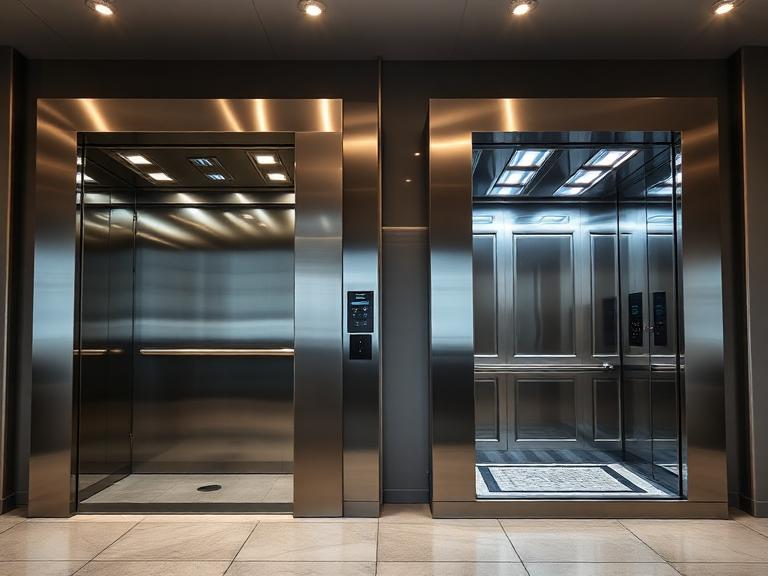
Elevator Replacement in Hyderabad | Complete Lift Replacement Solutions
Table of Contents
Elevator Replacement in Hyderabad | Complete Lift Replacement Solutions
Elevators are one of the most heavily used systems in any residential or commercial building. Over time, continuous operation leads to wear and tear on mechanical, electrical, and electronic components. While routine maintenance and repairs can extend the lifespan of an elevator, there comes a point when replacing the entire system becomes the most practical and cost-effective solution. Choosing professional Elevator Replacement in Hyderabad allows building owners to improve safety, enhance reliability, reduce energy consumption, and provide a better experience for passengers.
Older elevators often struggle to meet the performance expectations of modern buildings. Frequent breakdowns, obsolete spare parts, slow operation, increasing maintenance costs, and outdated technology can significantly impact building operations. Replacing an aging elevator with a modern system not only improves daily performance but also increases property value and supports compliance with current safety standards.


Whether you manage an apartment complex, office building, hotel, hospital, shopping mall, educational institution, or industrial facility, investing in a new elevator system can deliver long-term operational and financial benefits.
This comprehensive guide explains everything you need to know about elevator replacement, including when replacement is necessary, the advantages of installing a new lift, available replacement options, and the key factors to consider before starting the project.
What Is Elevator Replacement?
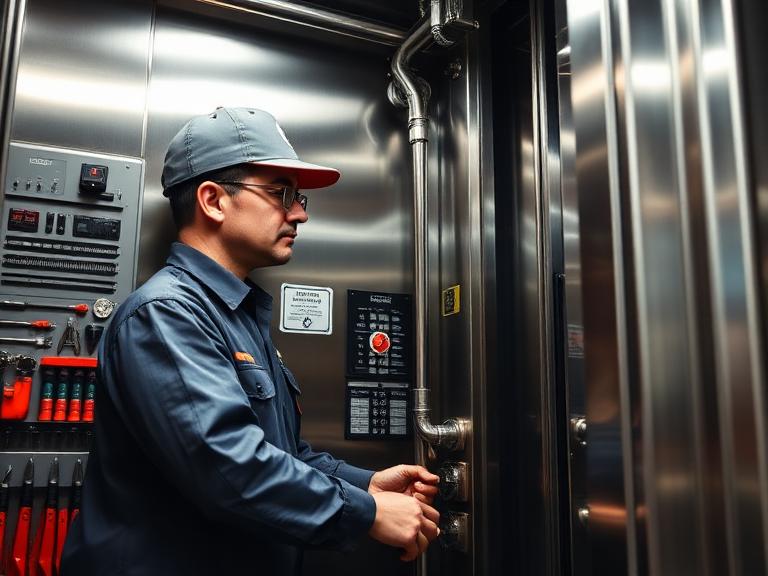
Elevator replacement involves removing an existing lift system and installing a completely new elevator designed to meet current operational, safety, and performance requirements.
Unlike routine repairs, which focus on fixing individual components, or modernization, which upgrades selected parts while retaining the existing framework, elevator replacement replaces most or all of the major systems.
A replacement project may include:
- Elevator cabin
- Drive machine
- Guide rails
- Counterweight
- Door systems
- Door operator
- Electrical controller
- Landing operating panels
- Cabin operating panel
- Wiring
- Safety equipment
- Communication system
- Power management system
A new elevator system provides improved reliability, smoother operation, and access to modern technologies that are unavailable in older installations.
Why Do Elevators Need Replacement?
Every elevator has a service life. Even with proper maintenance, aging equipment eventually becomes less efficient and more expensive to maintain.
Replacing an old elevator helps restore dependable performance while reducing operational risks.
Signs Your Elevator May Need Replacement
Recognizing the warning signs early allows building owners to plan replacement projects before major failures occur.
Frequent Breakdowns
If the elevator requires repeated repairs throughout the year, replacement may be more economical than continuing to repair aging equipment.
Repeated failures often indicate widespread component wear rather than isolated defects.
Increasing Maintenance Costs
Maintenance expenses generally increase as elevators age.
Common reasons include:
- Worn mechanical components
- Obsolete electrical systems
- Difficult-to-source spare parts
- Repeated service visits
- Reduced equipment reliability
Replacing the elevator can significantly reduce long-term maintenance costs.
Difficulty Obtaining Spare Parts
Manufacturers eventually discontinue older elevator models.
As spare parts become unavailable, repairs become more expensive and time-consuming, leading to longer service interruptions.
Installing a new system ensures continued access to replacement components and technical support.
Slow Performance
Older elevators may operate at slower speeds than modern systems.
Passengers often experience:
- Longer waiting times
- Slow acceleration
- Delayed door operation
- Extended travel times
- Reduced passenger comfort
Modern elevators improve efficiency while enhancing the overall user experience.
Poor Energy Efficiency
Older drive systems typically consume more electricity than modern elevator technologies.
Today’s elevators incorporate energy-saving features such as:
- Regenerative drives
- Variable Frequency Drives (VFD)
- LED lighting
- Smart standby mode
- Efficient motors
Replacing an aging elevator can reduce operating costs through improved energy efficiency.
Safety Concerns
Although regular maintenance improves safety, older elevators may lack many of the advanced safety features available in newer systems.
Modern elevators often include:
- Automatic Rescue Devices (ARD)
- Improved door sensors
- Enhanced braking systems
- Advanced monitoring
- Emergency communication systems
- Intelligent fault diagnostics
Upgrading to a new elevator helps improve passenger safety and operational confidence.
Outdated Cabin Appearance
An elevator is one of the first features visitors notice when entering a building.
Old interiors with worn finishes, outdated lighting, and aging control panels can negatively affect the building’s image.
Replacing the elevator provides an opportunity to install modern cabin designs that complement the property’s architecture.
Elevator Repair vs Modernization vs Replacement
Building owners often wonder whether repairing, modernizing, or replacing an elevator is the best solution.
Each option serves a different purpose.
Elevator Repair
Repairs address specific faults affecting the elevator’s performance.
Typical repairs include:
- Door repairs
- Motor repairs
- Sensor replacement
- Brake adjustments
- Controller troubleshooting
- Electrical repairs
Repairs are most suitable when the overall elevator remains in good condition.
Elevator Modernization
Modernization upgrades selected components while retaining much of the existing system.
Common modernization work includes:
- Controller replacement
- Door operator upgrades
- Interior renovation
- Safety equipment improvements
- Drive system upgrades
Modernization extends equipment life but may not resolve issues associated with aging structural components.
Complete Elevator Replacement
Replacement involves installing an entirely new elevator system.
It is generally recommended when:
- Equipment has reached the end of its service life
- Breakdowns occur frequently
- Spare parts are unavailable
- Maintenance costs continue to rise
- Safety improvements are required
- Building occupancy has changed significantly
A complete replacement provides long-term reliability and access to modern elevator technologies.

Types of Elevators That Can Be Replaced
Virtually every type of elevator can be replaced with a modern equivalent designed to meet current building requirements.
Passenger Elevators
Passenger elevators serving residential apartments, offices, hotels, and shopping centres can be replaced to improve speed, comfort, accessibility, and reliability.
Goods Lifts
Industrial goods elevators and freight lifts may require replacement after years of heavy-duty operation.
New systems improve load handling while reducing maintenance requirements.
Hospital Elevators
Healthcare facilities often replace aging patient elevators to improve reliability, ride comfort, hygiene, and operational efficiency.
Home Elevators
Residential elevators installed in villas and private homes can be upgraded to modern systems featuring quieter operation, enhanced safety, and contemporary cabin designs.
Commercial Elevators
Commercial buildings frequently replace elevators as part of renovation or redevelopment projects.
Modern commercial elevators improve passenger flow while supporting increased building occupancy.
Hydraulic Elevators
Older hydraulic lifts may be replaced with modern hydraulic systems or traction elevators depending on the building’s operational requirements.
Traction Elevators
Traction elevators can be replaced with newer gearless systems that provide greater efficiency, quieter operation, and reduced maintenance.
Machine Room Less (MRL) Elevators
Older MRL systems may be replaced with advanced equipment offering improved energy efficiency, digital controls, and enhanced passenger comfort.
Benefits of Elevator Replacement
Replacing an aging elevator offers numerous long-term advantages for both building owners and occupants.
Improved Reliability
New elevators experience fewer breakdowns, reducing downtime and improving user satisfaction.
Enhanced Passenger Safety
Modern safety systems provide greater protection through advanced sensors, emergency devices, intelligent controllers, and improved braking technologies.
Better Energy Efficiency
Modern drive systems significantly reduce electricity consumption, helping lower operational costs throughout the elevator’s lifespan.
Improved Ride Comfort
Passengers benefit from:
- Smooth acceleration
- Quiet operation
- Accurate floor leveling
- Faster travel
- Comfortable cabin environment
Modern Cabin Design
Replacement projects provide an opportunity to enhance aesthetics through:
- Premium wall finishes
- LED lighting
- Stainless steel interiors
- Digital displays
- Modern operating panels
Increased Property Value
A modern elevator enhances the attractiveness of residential and commercial properties while improving overall market value.
Factors to Consider Before Elevator Replacement
Planning a successful replacement project requires careful evaluation of several important factors.
Consider:
- Building age
- Structural condition
- Passenger traffic
- Elevator usage patterns
- Budget
- Available shaft dimensions
- Energy efficiency goals
- Accessibility requirements
- Future occupancy growth
- Long-term maintenance planning
Careful planning helps ensure the selected elevator system meets both current and future building requirements while maximizing return on investment.
Step-by-Step Elevator Replacement Process
Replacing an elevator is a complex engineering project that requires careful planning, coordination, and execution. A structured replacement process minimizes downtime while ensuring the new elevator system operates safely and efficiently.
1. Comprehensive Technical Inspection
The first step is a detailed assessment of the existing elevator and building infrastructure.
Engineers evaluate:
- Lift shaft condition
- Structural integrity
- Machine room (if applicable)
- Guide rails
- Pit condition
- Electrical supply
- Passenger traffic
- Existing control systems
- Building accessibility requirements
The inspection helps determine whether the shaft can accommodate the new elevator or if structural modifications are necessary.
2. Project Planning and Engineering Design
Once the assessment is complete, engineers prepare a replacement plan tailored to the building.
Planning typically includes:
- Elevator specifications
- Cabin dimensions
- Shaft compatibility
- Door locations
- Power requirements
- Structural calculations
- Installation schedule
- Safety planning
- Temporary access arrangements
Proper planning minimizes disruption to occupants during the replacement process.
3. Selecting the Right Elevator System
Choosing the appropriate replacement elevator depends on several factors, including building usage, traffic volume, and long-term operational goals.
Common replacement options include:
- Passenger elevators
- Machine Room Less (MRL) elevators
- Gearless traction elevators
- Hydraulic elevators
- Panoramic lifts
- Hospital elevators
- Goods lifts
Modern systems provide improved efficiency, enhanced safety, and better ride quality compared to older equipment.
4. Safe Removal of Existing Elevator Equipment
Before installation begins, the old elevator is carefully decommissioned.
Removal typically includes:
- Elevator cabin
- Drive machine
- Counterweight
- Guide rails (if required)
- Door systems
- Electrical controller
- Wiring
- Landing equipment
- Safety devices
Professional dismantling minimizes damage to the building while ensuring safe disposal of obsolete components.
5. Shaft Preparation
After removal, the lift shaft is cleaned, inspected, and prepared for the new installation.
Preparation may involve:
- Structural repairs
- Surface finishing
- Guide rail supports
- Pit cleaning
- Waterproofing (where required)
- Electrical upgrades
- Ventilation improvements
A properly prepared shaft ensures precise installation and long-term reliability.
6. Installation of the New Elevator
The new elevator is installed according to manufacturer specifications.
Installation includes:
- Guide rail installation
- Machine installation
- Counterweight assembly
- Cabin installation
- Landing door installation
- Cabin door installation
- Rope or belt installation
- Controller installation
- Electrical wiring
- Safety equipment integration
Each component is aligned accurately to achieve smooth and reliable operation.
7. Electrical Integration
Electrical systems are connected and configured to support safe elevator operation.
This stage includes:
- Power supply connections
- Motor wiring
- Landing operating panels
- Cabin operating panel
- Floor indicators
- Emergency alarm
- Intercom system
- Safety circuits
- Controller programming
Reliable electrical integration is essential for consistent elevator performance.
8. Testing and Commissioning
Before the elevator is placed into service, technicians perform extensive operational testing.
Commissioning includes:
- No-load testing
- Full-load testing
- Door operation verification
- Speed testing
- Floor leveling accuracy
- Emergency braking
- Sensor performance
- Alarm system testing
- Backup power testing
The elevator is commissioned only after successfully completing all required performance and safety tests.
Modern Technologies in Replacement Elevators
Today’s elevators incorporate advanced technologies that significantly improve operational efficiency and passenger experience.
Destination Control Systems
Passengers enter their destination before boarding, allowing the system to group passengers travelling to similar floors.
Benefits include:
- Reduced waiting times
- Improved traffic management
- Faster journeys
- Lower energy consumption
Touchless Elevator Operation
Mobile applications, QR codes, and gesture-based systems allow passengers to call elevators without touching buttons.
These technologies improve hygiene in offices, hospitals, hotels, and commercial buildings.
Remote Monitoring
Building managers can monitor elevator performance remotely, receiving alerts when abnormal conditions occur.
This enables quicker response times and improved maintenance planning.
Predictive Maintenance
Smart monitoring systems continuously analyze elevator performance to detect early signs of component wear.
Predictive maintenance reduces unexpected breakdowns and helps extend equipment lifespan.
Smart Access Control
Modern elevators integrate with access control systems to restrict access to authorized floors using key cards, biometric authentication, or mobile credentials.
Energy-Efficient Elevator Replacement Solutions
Replacing an older elevator provides an excellent opportunity to reduce energy consumption and operating costs.
Regenerative Drives
These systems recover energy generated during elevator operation and feed it back into the building’s electrical network.
Variable Frequency Drives (VFD)
VFD technology optimizes motor performance, improving ride comfort while reducing electricity usage.
LED Lighting
Energy-efficient LED lighting provides bright cabin illumination while consuming significantly less power than conventional lighting.
Automatic Standby Mode
Lighting, ventilation, and displays automatically switch to low-power mode when the elevator is idle.
Lightweight Cabin Materials
Modern cabins are constructed using lightweight yet durable materials, reducing the energy required for operation.
Modern Safety Features in Replacement Elevators
Safety remains the highest priority when replacing an elevator.
Modern systems commonly include:
- Automatic Rescue Device (ARD)
- Door safety sensors
- Overload detection
- Emergency alarm
- Battery backup
- Overspeed governor
- Emergency communication system
- Anti-slip flooring
- Fire emergency operation
- Intelligent fault diagnostics
These technologies enhance passenger confidence while supporting dependable daily operation.
Factors That Affect Elevator Replacement Costs
Several variables influence the total cost of replacing an elevator.
These include:
- Building height
- Number of stops
- Elevator capacity
- Type of drive system
- Shaft modifications
- Cabin customization
- Safety features
- Smart technology integration
- Installation complexity
- Project timeline
A detailed site assessment helps determine the most appropriate solution and associated costs.
Common Mistakes to Avoid During Elevator Replacement
Careful planning helps prevent unnecessary expenses and operational issues.
Delaying Replacement
Continuing to operate an aging elevator despite repeated failures can increase maintenance costs and prolong downtime.
Choosing Equipment Based Solely on Price
The lowest-cost option may not provide the best long-term value. Reliability, energy efficiency, maintenance requirements, and service support should all be considered.
Ignoring Future Building Requirements
Planning only for current occupancy may result in insufficient elevator capacity as the building evolves.
Overlooking Energy Efficiency
Modern energy-saving technologies help reduce operating costs throughout the elevator’s service life.
Selecting Inexperienced Contractors
Professional installation ensures proper engineering, precise alignment, and dependable long-term performance.
Why Choose Professional Elevator Replacement in Hyderabad?
Experienced elevator specialists provide comprehensive replacement solutions from initial assessment through commissioning.
Advantages include:
- Detailed technical evaluation
- Customized replacement planning
- Modern elevator technologies
- Professional installation
- Advanced safety systems
- Energy-efficient equipment
- Thorough testing and commissioning
- Preventive maintenance support
- Reliable after-sales service
- Long-term operational reliability
Professional expertise helps ensure a smooth transition from an aging system to a modern elevator with minimal disruption.
Frequently Asked Questions
1. When should an elevator be replaced instead of repaired?
Replacement is generally recommended when the elevator experiences frequent breakdowns, spare parts become difficult to obtain, maintenance costs continue to rise, or the equipment has reached the end of its service life.
2. Can an old elevator shaft be reused?
In many cases, the existing shaft can be reused after structural assessment and any necessary modifications.
3. Are replacement elevators more energy efficient?
Yes. Modern elevators often incorporate regenerative drives, LED lighting, Variable Frequency Drives (VFD), and standby modes to reduce electricity consumption.
4. Can a replacement elevator include smart technologies?
Yes. New systems can support destination control, touchless operation, remote monitoring, predictive maintenance, and access control integration.
5. Does replacing an elevator increase property value?
A modern elevator enhances building functionality, improves passenger experience, and can contribute positively to the property’s overall value and appeal.
Conclusion
Replacing an aging elevator is a strategic investment that improves safety, operational efficiency, and long-term reliability. Professional Elevator Replacement in Hyderabad enables property owners to upgrade outdated systems with modern technology that delivers smoother operation, enhanced passenger comfort, improved energy efficiency, and lower maintenance requirements.
Whether replacing elevators in residential apartments, office buildings, hotels, hospitals, shopping malls, or industrial facilities, careful planning and professional installation help ensure the new system meets current operational needs while supporting future growth. By investing in a high-quality replacement elevator and maintaining it through regular preventive servicing, building owners can provide safe, dependable, and efficient vertical transportation for many years to come.