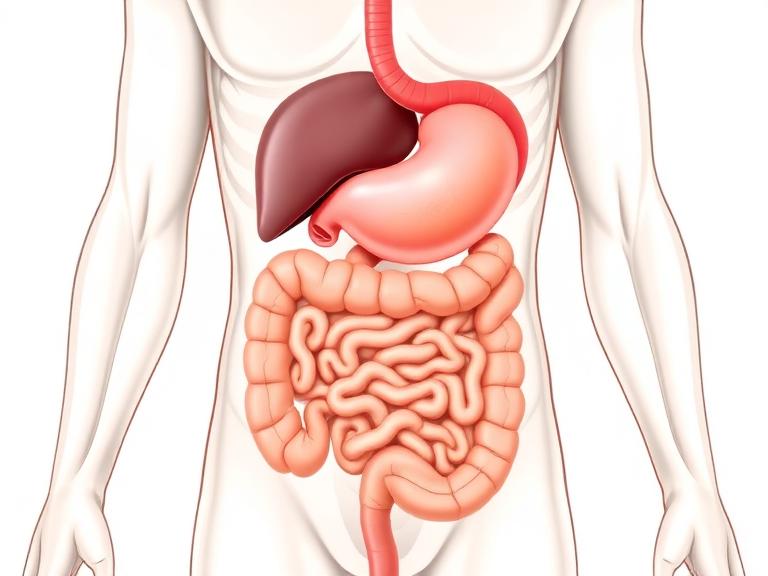
Best Fistula Specialist Doctor in Hyderabad | Advanced Laser Treatment
Table of Contents
Best Fistula Specialist Doctor in Hyderabad | Advanced Laser Treatment
Persistent perianal discomfort, recurring pus discharge, sharp pain while sitting, or swelling around the anal region are classic symptoms of an anal fistula (fistula-in-ano). Treating an anal fistula requires high clinical precision, an accurate anatomical diagnosis, and modern surgical techniques.
Consulting a qualified fistula specialist doctor in Hyderabad ensures access to advanced, sphincter-sparing procedures such as FiLaC (Fistula Laser Closure), VAAFT (Video-Assisted Anal Fistula Treatment), and LIFT (Ligation of Intersphincteric Fistula Tract).



1. Understanding Anal Fistula: Causes and Symptoms
An anal fistula is an abnormal, infected tunnel connecting an internal opening inside the anal canal to an external opening on the skin surrounding the anus. Most fistulas originate from an acute infection in the anal glands, leading to an anal abscess (pus pocket). When the abscess drains—either naturally or surgically—an open tract often remains, creating a chronic fistula.
Primary Causes of Anal Fistula
- Unresolved Perianal Abscess: The single most common trigger (over 80% of cases).
- Inflammatory Bowel Disease (IBD): Conditions such as Crohn’s disease or Ulcerative Colitis cause chronic inflammation in the intestinal tract.
- Tuberculosis (Anorectal TB): Highly prevalent in India; requires anti-tubercular therapy (ATT) along with surgical management.
- Trauma or Prior Anorectal Surgery: Previous procedures for hemorrhoids, fissures, or deep tissue injury.
- Infections & STI Transmission: Hidradenitis suppurativa, chlamydia, or immune disorders.
Key Symptoms That Require Immediate Consultation
If you notice any of these symptoms, schedule an evaluation with a fistula specialist doctor in Hyderabad:
| Symptom | Clinical Presentation | Impact on Patient |
| Pus or Blood Discharge | Persistent or intermittent drainage on undergarments. | Causes foul odor, skin irritation, and discomfort. |
| Throbbing Pain | Constant ache intensified by sitting, coughing, or walking. | Restricts mobility and daily work activities. |
| Perianal Swelling | Redness, heat, and lump formation near the anal opening. | Sign of fluid accumulation or active abscess. |
| Recurrent Fevers | Low-grade or high-grade fever with chills. | Indicates active spreading infection or blocked tract. |
| Skin Excoriation | Itching and irritation around the perianal skin. | Caused by continuous acidic pus leakage. |
2. Classification of Anal Fistulas
Fistulas are classified based on their anatomical relationship to the internal and external anal sphincter muscles (Parks Classification). Treatment options depend directly on the fistula’s complexity.
       [ Anal Canal Anatomical Cross-Section ]
                          |
    +---------------------+---------------------+
    |                                           |
[Simple / Submucosal]                   [Complex / High]
  - Intersphincteric                      - Transsphincteric
  - Low Transsphincteric                  - Suprasphincteric
                                          - Extrasphincteric
                                          - Horseshoe Fistula
1. Simple (Low) Fistulas
These cross minimal or no sphincter muscle tissue.
- Intersphincteric Fistula: The tract travels within the intersphincteric plane between the internal and external sphincters.
- Low Transsphincteric Fistula: The tract passes through the lower portion of the external sphincter muscle.
2. Complex (High) Fistulas
These involve significant muscle mass or have multiple branching channels.
- High Transsphincteric Fistula: Crosses high through the external sphincter muscle mass.
- Suprasphincteric Fistula: Loops over the puborectalis muscle before draining out.
- Extrasphincteric Fistula: Starts in the rectum and bypasses the entire sphincter complex.
- Horseshoe Fistula: A complex, semi-circular tract wrapping around both sides of the rectum.
3. How a Top Fistula Specialist Diagnoses Your Condition
When you consult an experienced fistula specialist doctor in Hyderabad, diagnosis follows a clear multi-step process:
A. Physical & Proctoscopic Examination
The specialist evaluates the perianal area, locates the external opening, checks for tenderness, and uses a gentle proctoscope to locate the internal opening inside the anal canal.
B. High-Resolution MRI Fistulogram (Gold Standard)
An MRI Fistulogram provides precise imaging of the rectal area:
- Maps the entire length of the primary tract.
- Uncovers secondary blind tracts or hidden abscess pockets.
- Clearly delineates the relationship between the tract and the anal sphincter muscles.
- Identifies the exact position of the internal opening.
C. Endoanal Ultrasound (EAUS)
A high-frequency ultrasound probe inserted into the anal canal gives real-time 360-degree views of the sphincter muscles and fluid collections.

4. Modern Treatment Options Available in Hyderabad
Traditional fistula surgery (fistulotomy or cutting seton) carried significant risks of prolonged open wound dressing, long recovery times, and potential damage to sphincter muscles leading to fecal incontinence.
Modern proctology in Hyderabad focuses on sphincter-sparing, minimally invasive treatments.
Overview of Advanced Treatments
                         [ Fistula Treatment Selection ]
                                        |
      +---------------------------------+---------------------------------+
      |                                 |                                 |
[ FiLaC Laser ]                  [ VAAFT Technique ]             [ LIFT / Flap ]
  - Ideal for straight,            - Best for complex /            - Best for high /
    defined tracts.                  branching tracts.               recurrent cases.
  - Radial thermal energy.         - Video-guided view.            - Muscle preservation.
A. FiLaC (Fistula Laser Closure)
FiLaC uses a flexible, 360-degree radial emitting laser fiber inserted directly into the fistula tract.
- Procedure: The tract is thoroughly cleaned and curetted. The laser fiber is gradually withdrawn while emitting controlled thermal energy.
- Mechanism: The laser energy denatures the infected tissue, causing the collagen walls to collapse, shrink, and seal the tract closed.
- Key Advantages:
- No cutting of sphincter muscles (zero incontinence risk).
- No large open wounds; no painful daily dressings required.
- Daycare procedure (discharged within 12–24 hours).
- Fast recovery (return to normal routine in 2–4 days).
B. VAAFT (Video-Assisted Anal Fistula Treatment)
VAAFT uses a specialized endoscope (fistuloscope) to visualize the tract internally on a video monitor.
- Procedure: The surgeon navigates through the external opening, identifies all internal branches, cleans out infected debris under direct vision, and seals the internal opening using electrocautery or an endostapler.
- Key Advantages:
- Exceptional accuracy for complex, branching, or horseshoe fistulas.
- Leaves no external operative wounds.
- Allows direct visualization of hidden secondary tracts.
C. LIFT (Ligation of Intersphincteric Fistula Tract)
LIFT is designed for high transsphincteric fistulas that traverse a significant portion of the sphincter muscle.
- Procedure: An incision is made in the intersphincteric groove between the muscles. The tract is identified, isolated, tied off (ligated), and divided near the internal opening.
- Key Advantages:
- Preserves 100% of the anal sphincter muscle mass.
- High success rate for complex and deep-seated tracts.
D. Ksharasutra (Ayurvedic Medicated Thread – Selective Cases)
Ksharasutra involves placing a medicated thread coated with herbal extracts into the tract. The thread is changed weekly to gradually cut and heal the tract.
- Note: While effective, it requires multiple hospital visits over weeks to months and involves greater discomfort compared to modern laser procedures.
5. Comparison: Traditional Surgery vs. Modern Laser Treatment
| Clinical Parameter | Traditional Fistulotomy / Seton | Modern Laser Treatment (FiLaC) |
| Surgical Incision | Large open cut through skin & muscle. | Micro-puncture / insertion via existing tract. |
| Sphincter Damage Risk | Moderate to High (risk of gas/stool leakage). | Minimal to Zero (sphincter muscle fully preserved). |
| Hospital Stay | 2 to 4 days. | Daycare (6 to 24 hours). |
| Post-Operative Pain | Severe; requires strong analgesics. | Mild; manageable with basic pain relievers. |
| Post-Op Wound Care | Daily painful dressings for 6–8 weeks. | Minimal; simple hygiene & Sitz baths. |
| Return to Work | 3 to 6 weeks. | 2 to 5 days. |
| Success Rate | 80% – 90% | 85% – 95% (in selected cases). |
6. How to Choose the Right Specialist in Hyderabad
Hyderabad is home to world-class medical hubs in areas like Jubilee Hills, Banjara Hills, Gachibowli, Hitec City, Secunderabad, and Kukatpally. When selecting your specialist, look for the following qualifications:
- Board Certification & Specialization: Choose a general surgeon with dedicated fellowship training in Coloproctology or Advanced Laparoscopic & Laser Surgery.
- Experience with Lasers & Endoscopy: Confirm that the surgeon has extensive hands-on experience performing FiLaC and VAAFT procedures.
- Advanced Diagnostic Infrastructure: Ensure the hospital or surgical center offers high-field MRI Fistulography and 3D Endoanal Ultrasound.
- Transparent Success & Recurrence Rates: A reliable proctologist provides clear guidance on success rates tailored to your specific fistula anatomy.
7. Pre-Surgery Preparation & Post-Surgery Care Guidelines
Pre-Surgery Checklist
- Diagnostic Complete: Ensure your MRI Fistulogram is updated.
- Bowel Preparation: Complete any prescribed mild laxative or enema regimen the evening before surgery.
- Medication Review: Inform your surgeon if you take blood thinners (e.g., aspirin, warfarin); these may need to be temporarily paused.
- Fasting: Follow standard NPO (nothing by mouth) instructions for 6–8 hours prior to anesthesia.
Post-Surgery Recovery Protocol
- Sitz Baths: Soak the perianal area in warm water with a few drops of Betadine or Epsom salt for 10–15 minutes, 2 to 3 times daily and after every bowel movement.
- High-Fiber Diet: Eat plenty of fruits, vegetables, oats, and whole grains to keep stools soft and prevent straining.
- Hydration: Drink 3 to 4 liters of water daily.
- Stool Softeners: Take prescribed laxatives continuously for 2 to 3 weeks to ensure smooth bowel evacuation.
- Hygiene: Pat the perianal area dry gently with soft cotton wipes or tissue; avoid aggressive rubbing.
8. Frequently Asked Questions (FAQs)
Q1: Who is the best fistula specialist doctor in Hyderabad?
The best specialist is typically a senior Proctologist or Colorectal Surgeon with specialized training in laser and sphincter-sparing procedures (FiLaC, VAAFT, LIFT). Leading specialists are located in key healthcare hubs like Jubilee Hills, Gachibowli, Banjara Hills, and Secunderabad.
Q2: Is laser fistula treatment permanent?
Yes. When performed by an experienced proctologist, laser fistula treatment completely seals the internal opening and closes the tract, achieving long-term success rates between 85% and 95%.
Q3: Can an anal fistula heal on its own without surgery?
No. An anal fistula is a structural tunnel lined with chronic infected tissue that rarely closes spontaneously. While antibiotics can temporarily suppress acute infection or discharge, procedural intervention is required for a complete cure.
Q4: What is the cost of laser fistula treatment in Hyderabad?
The cost generally ranges between ₹45,000 and ₹1,20,000. The final amount depends on whether the fistula is simple or complex, the specific laser technology used, hospital selection, room category, and insurance coverage.
Q5: Is laser fistula surgery painful?
Laser fistula surgery causes minimal pain. Because there are no large surgical cuts or open wounds, patients experience only minor post-operative discomfort, easily managed with basic oral painkillers.
Q6: How long does recovery take after laser fistula surgery?
Most patients are discharged within 24 hours and can resume light desk work or routine activities within 48 to 72 hours. Complete internal tissue healing typically takes 2 to 4 weeks.
Q7: What is the difference between a simple and a complex fistula?
A simple fistula has a single straight tract involving minimal sphincter muscle. A complex fistula features multiple branching tracts, high muscle involvement, recurrent infections, or connections to underlying chronic conditions like Crohn’s disease.
Q8: Does fistula surgery damage sphincter muscles and cause incontinence?
Traditional cutting surgeries carried a risk of sphincter damage. Modern procedures like FiLaC laser, VAAFT, and LIFT are specifically designed to preserve sphincter muscle tissue, reducing the risk of bowel incontinence to near zero.
Q9: What diagnostic tests are required before fistula treatment?
An MRI Fistulogram is the diagnostic standard. It creates a detailed 3D map of the tract pathways, internal opening, secondary branches, and proximity to the anal sphincter muscles.
Q10: What is the recurrence rate after laser fistula surgery?
In experienced hands, the recurrence rate after laser fistula surgery is low (generally under 5% to 10%), which is significantly lower than traditional cut-and-drain techniques for complex cases.
Q11: Is laser fistula surgery covered by health insurance in Hyderabad?
Yes. Most major health insurance providers and Third Party Administrators (TPAs) cover daycare laser fistula procedures. Cashless processing is widely available at major empanelled hospitals across Hyderabad.
Q12: How can I prevent recurrence after fistula surgery?
Maintain smooth bowel movements by eating a fiber-rich diet, drinking plenty of fluids, avoiding prolonged sitting on the toilet, practicing clean perianal hygiene, and completing all scheduled post-op follow-up visits.
Q13: What diet should I follow after fistula surgery?
Focus on soft, high-fiber foods such as leafy greens, lentils, fresh fruits, papaya, and whole grains. Avoid spicy foods, deep-fried items, caffeine, and alcohol during the initial healing phase to prevent bowel irritation.
Q14: What symptoms indicate I need to see a fistula specialist immediately?
Seek prompt evaluation if you experience continuous pus or blood discharge, a painful lump near the anus, foul-smelling drainage, persistent itching, or fever accompanied by severe perianal pain.
Q15: What is VAAFT, and when is it recommended?
Video-Assisted Anal Fistula Treatment (VAAFT) uses a micro-endoscope to view, clean, and seal complex or high-branching fistula tracts from the inside under direct video guidance. It is ideal for complex, recurrent, or horseshoe fistulas.