Selection Blueprint: Choosing the Right Elevator Company in Hyderabad
Table of Contents
Selection Blueprint: Choosing the Right Elevator Company in Hyderabad
The physical landscape of Hyderabad is defined by its rapid vertical expansion. High-speed commercial elevators serve the glass high-rises of Hitech City, Gachibowli, and the Financial District, while elegant, customized home lifts are increasingly common in the private villas of Jubilee Hills, Banjara Hills, and Kompally. Driven by rising land values and the Greater Hyderabad Municipal Corporation’s (GHMC) forward-looking building approvals, selecting an elevator company in Hyderabad has become a critical technical decision for property developers, residential welfare associations (RWAs), and independent homeowners alike.
This engineering guide provides a detailed breakdown of the vertical transportation market in Telangana. We analyze the leading global manufacturers and independent local companies, review essential civil and mechanical specifications, outline provincial legal codes, and establish a clear framework for selecting the right elevator partner for your building.


1. Market Categorization: Tier-1 Global OEMs vs. Leading Independent Regional Specialists
The elevator marketplace in Hyderabad is broadly divided into two distinct operational segments: global Original Equipment Manufacturers (OEMs) and Independent Service Providers (ISPs) or regional specialists. Choosing the right category depends on your building’s height, expected traffic volume, structural customization needs, and your long-term maintenance budget.
Tier-1 Global OEMs (High-Rises, Corporate IT Parks, Infrastructure Projects)
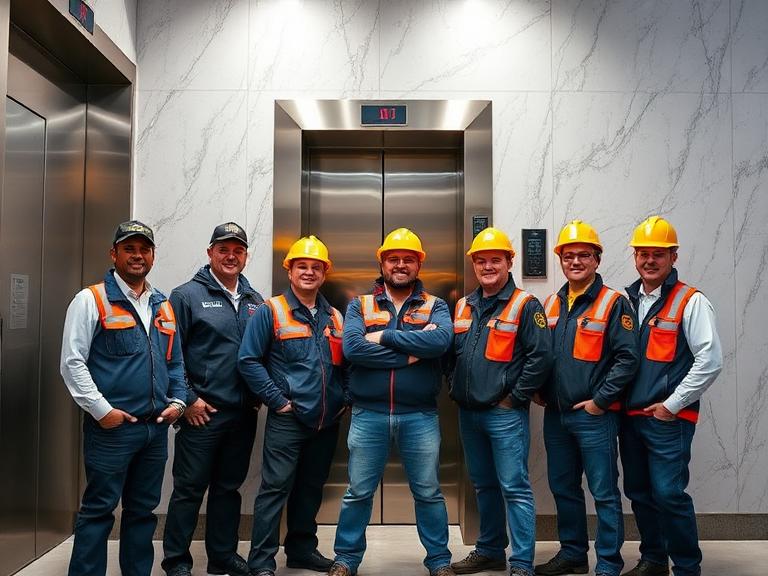
Companies such as Kone, Schindler, Otis, and TK Elevator (TKE) make up the global Tier-1 category.
- Operational Focus: These manufacturers focus primarily on high-speed, high-occupancy commercial projects and residential towers exceeding 10 floors, which are common in developing areas like Kokapet, Tellapur, and Narsingi.
- Technology Profile: They feature proprietary microprocessors, advanced destination control systems, smart remote monitoring, and high-speed Permanent Magnet Synchronous Motors (PMSM).
- Cost Structure: Premium. Both the initial equipment purchase and long-term Annual Maintenance Contracts (AMCs) carry higher price tags, and their proprietary parts require ongoing support from the original manufacturer.
Independent Regional Specialists (Villas, G+5 Apartments, Private Residences)
Prominent local and national companies like Johnson Lifts, Cube Elevators, Salzgitter Lifts, and Exfol Friends Elevators serve a large share of the low-to-mid-rise residential market in Hyderabad.
- Operational Focus: These companies specialize in private luxury villas, independent duplexes, and standard G+4/G+5 builder floors across neighborhoods like Manikonda, Kukatpally, Miyapur, and Secunderabad.
- Technology Profile: They use robust, open-architecture, non-proprietary control systems. This allows for extensive design customization, such as specialized cabin finishes, custom glass viewing walls, and adjustable shaft sizes.
- Cost Structure: Economical and flexible. Their replacement parts can be sourced from open markets, and their service contracts can be easily customized to fit specific property budgets.
2. Technical Evaluation Matrix by Building Classification
The technical demands placed on an elevator vary significantly across different building types. Installing a commercial-grade traction system in a private home can create unnecessary structural and energy costs, while putting a light-duty residential lift in a busy commercial environment can lead to frequent equipment breakdowns.
System Specifications by Asset Application
| Building Classification | Recommended Drive System | Common Speed Range | Average Door Configuration | Key Technical Requirements |
| Private Luxury Villa (G+2 to G+4) | Hydraulic or Pneumatic Vacuum Drive | 0.3 m/s to 0.4 m/s | Manual Swing Glass Doors or Compact Automatic Telescopic | Zero-pit options, single-phase power compatibility, ultra-quiet operational acoustics. |
| Mid-Rise Apartment (G+4 to G+9) | Machine-Room-Less (MRL) Gearless Traction | 1.0 m/s to 1.5 m/s | Automatic Center-Opening Stainless Steel | Built-in Automatic Rescue Device (ARD), heavy-duty guide shoes, fire-rated landing doors. |
| Commercial IT Park / Tower (10+ Floors) | High-Speed Overhead Gearless Traction | 1.75 m/s to 2.5+ m/s | Wide Automatic Center-Opening with Light Curtains | Destination dispatch, real-time remote monitoring, micro-tolerance guide rail alignment. |
3. Critical Civil and Mechanical Design Requirements
Before signing a contract with an elevator company in Hyderabad, your building’s architectural drawings must align with the physical requirements of the selected lift system. Modifying a completed concrete hoistway to fit an incorrect elevator size can add significant civil construction expenses.
A. Hoistway Plumb and Vertical Alignment
The structural concrete or steel shaft must be built straight and true. Elevator guide rails are aligned using high-precision lasers, and the total vertical variation over the entire height of the shaft must not exceed 0.5mm. If a shaft tilts or bows, the elevator car shoes will experience uneven friction, causing noticeable vibrations and accelerated wear on the components.
B. Structural Pit Waterproofing
The lower elevator pit (varying from 3 feet for small home lifts to over 6 feet for fast commercial systems) must be treated with professional chemical waterproofing. In Hyderabad areas with higher groundwater levels or seasonal rainwater accumulation, such as Begumpet, Nizampet, or LB Nagar, an un-waterproofed pit can allow water to pool at the bottom. This pooling can damage lower limit switches, rust car buffers, and short out traveling cables.
C. Overhead Headroom Clearance
Overhead clearance is the distance from the finished floor of the highest landing to the underside of the shaft ceiling. Standard traction elevators generally require at least 12 feet of overhead space to provide a safe buffer area for technicians during top-of-car inspections, satisfying national safety codes.
4. Legal Compliance and State Regulations in Telangana
Every new elevator installation or major modification in Hyderabad must comply with the strict regulatory framework managed by the state government. Operating a passenger lift without the proper legal clearance is a serious safety violation.
The Telangana Lifts, Escalators and Passenger Conveyors Act
This state law governs the installation, operation, and ongoing maintenance of all vertical transit assets across Telangana.
Essential Regulatory Compliance Steps:
- Permission to Install: Before starting physical assembly, your chosen elevator provider must submit detailed structural blueprints and electrical layout diagrams to the Telangana State Electrical Inspectorate to secure an initial installation permit.
- License to Run: After mechanical assembly is complete, a state lift inspector will conduct an on-site physical safety check. They will test the emergency brakes, evaluate structural load handling, and confirm that the safety circuits operate correctly. If the system passes, the department issues the mandatory operational license.
- Compulsory Monthly Maintenance: State codes require all operational lifts to be under an active maintenance contract with a licensed service provider. All monthly checks and adjustments must be recorded in an on-site logbook.
Crucial Safety Features Checklist (IS 14665 Compliant)
- Automatic Rescue Device (ARD): A dedicated emergency battery backup system that automatically takes over during a power outage, safely moving the elevator car to the nearest floor landing and opening the doors to prevent passenger entrapment.
- Infrared Multi-Beam Light Curtains: Electronic light arrays across the cabin entrance that instantly detect any obstruction and reverse the sliding doors, protecting passengers from impact.
- Mechanical Overload Protection: Electronic sensors beneath the car platform that sound an alarm and prevent the elevator from moving if its rated weight capacity is exceeded.
5. Cost Analysis of Elevator Installations in Hyderabad
The total investment required for a new elevator installation depends on the number of floors served, car weight capacity, interior cabin materials, and the type of drive system chosen.
Project Cost Matrix (2026 Price Estimates)
| Investment Bracket | Target Building Layout | Estimated Cost Range (INR) | Primary Structural Inclusions |
| Economy / Basic | G+2 to G+3 Private Home / Standalone Builder Floor | ₹7,50,000 – ₹10,50,000 | Standard geared motor, manual collapsible gates, basic mild-steel cabin walls. |
| Mid-Tier Standard | G+4 to G+5 Residential Apartment Complex | ₹11,00,000 – ₹16,00,000 | MRL gearless motor, automatic sliding stainless steel doors, 4 to 6 passenger capacity. |
| Premium Custom / Luxury | High-End Villas, Luxury Penthouses, Modern Office Blocks | ₹16,50,000 – ₹30,00,000+ | Panoramic structural glass cabin, custom architectural trim, high-speed gearless drive, touchless controls. |
6. Steps in the Elevator Project Lifecycle
A professional elevator installation requires a careful, step-by-step engineering process. Mismanagement during early stages can lead to mechanical misalignment and recurring maintenance problems down the road.
Step 1: Initial Technical Site Assessment
Field engineers visit the property to verify the vertical plumb of the shaft, measure exact pit depths, check overhead clearances, and confirm the locations of the landing doors.
Step 2: Custom Component Manufacturing & Delivery
The elevator company prepares custom manufacturing blueprints based on your site measurements. Components such as the traction motor, control microprocessors, guide rails, and the cabin framework are manufactured and shipped to the site.
Step 3: Rail Alignment and Structural Frame Assembly
Installation teams anchor the high-tensile steel guide rails into the shaft walls using heavy-duty brackets and precision laser levels. The counterweight assembly and the primary cabin framework are then put into place.
Step 4: Electrical Wiring, Commissioning, and Safety Testing
Technicians wire the main microprocessor control panel, route the flexible traveling cables, and connect the series safety loop switches. Before handing the system over, engineers run full-load capacity tests, check car leveling accuracy, and verify that the emergency rescue systems function perfectly.
7. Evaluating and Selecting Your Elevator Partner
Selecting the right elevator company is essential for ensuring long-term operational safety and minimizing building downtime. Use these four key criteria to evaluate prospective elevator companies in Hyderabad before entering an agreement:
- Active Government Licensing: Confirm that the company holds a current, unrestricted authorization certificate from the Telangana State Electrical Inspectorate.
- Local Maintenance Support Infrastructure: Choose a company with an established physical branch office, a spare parts warehouse, and dedicated field service teams based in Hyderabad to ensure quick support when needed.
- Clear Service Level Agreements (SLAs): Look for maintenance contracts that provide a legally binding response guarantee, promising an emergency technician will arrive on-site within 30 to 60 minutes for passenger entrapments.
- Transparent Project Pricing: Ensure your installation quote clearly outlines all costs, including equipment delivery, mechanical installation, electrical wiring, safety certifications, and the initial warranty period, with no hidden fees for civil prep work or regional shipping.
8. Frequently Asked Questions (FAQs)
Q1: What is the main operational difference between MRL and traditional geared elevators?
A: Traditional geared systems require a dedicated, reinforced concrete machine room directly above the elevator shaft to house the motor and large control boxes. Machine-Room-Less (MRL) systems use compact Permanent Magnet Synchronous Motors that fit directly inside the upper hoistway walls. This layout saves roof space, lowers overall energy use by up to 40%, and provides a quieter, smoother ride.
Q2: Can a residential home elevator run on a standard single-phase residential power supply?
A: Yes. Many modern home elevators, including specialized hydraulic designs and pneumatic vacuum models, are engineered to run on a standard 230V single-phase domestic power supply. This eliminates the need to install a costly commercial three-phase power line for your private residence.
Q3: How long does the on-site elevator installation process take?
A: For standard residential buildings or private villas with a completed, dry concrete shaft, the on-site installation process typically takes 3 to 5 weeks. Complex commercial systems or highly customized panoramic glass setups can take 8 to 12 weeks to complete manufacturing, component alignment, and final state licensing checks.
Q4: What steps should an RWA take if an elevator company falls behind on its maintenance commitments?
A: First, check the original service contract to review the stated response times and service level agreements (SLAs). Document all instances of delayed maintenance or unresolved equipment faults in writing. If the company continues to miss its service commitments, you can submit a formal complaint to the consumer forum or move your service to a licensed multi-brand independent maintenance provider in Hyderabad.
Q5: Why is it risky to select an elevator vendor based solely on the lowest price?
A: Low-cost providers often cut corners by using unbranded control boards, lighter-duty mechanical components, or lower-quality guide rails. They may also exclude essential safety systems like an Automatic Rescue Device (ARD) from their base quote, or lack the local service teams needed to respond quickly to emergency breakdowns. Investing in a reliable system upfront helps prevent frequent downtime and high repair costs later on.