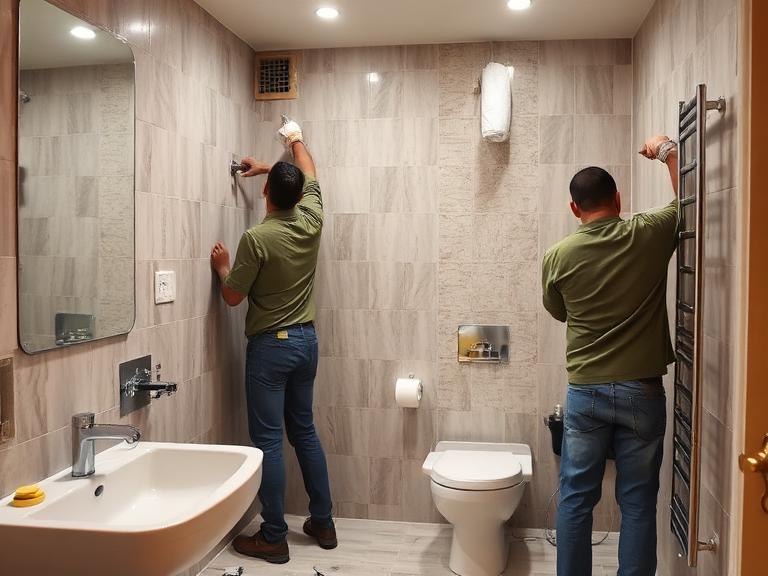
Bathroom Odour Problem Solutions Hyderabad | Drain Smell Removal
Table of Contents
Bathroom Odour Problem Solutions Hyderabad | Drain Smell Removal
A persistent bad smell in the bathroom is one of the most unpleasant and frustrating issues a homeowner can face. Whether you live in an independent house in Secunderabad, Begumpet, Himayatnagar, or Abids, or in a modern high-rise gated community across Gachibowli, Jubilee Hills, Kondapur, Hitec City, Tellapur, Kokapet, or Nanakramguda, bathroom odours can quickly ruin your home’s indoor comfort.
Many property owners try to solve bathroom smells by spraying heavy room fresheners, burning scented candles, or pouring gallons of strong chemical drain cleaners down the floor outlets. While these methods might mask the smell for a few hours, they never eliminate the root cause. A day or two later, the sharp sewage smell returns—often stronger than before.



Persistent bathroom odours are not just an embarrassing cleanliness issue; they are a sign of underlying mechanical, plumbing, or structural drainage defects. Sewer gas contains gases like hydrogen sulfide, methane, and ammonia. Breathing these fumes over long periods can cause headaches, eye irritation, nausea, and respiratory discomfort.
This master guide covers everything you need to know about bathroom odour problem solutions in Hyderabad: why bathrooms develop bad smells, hidden sources of sewer gas, advanced non-destructive inspection methods, technical plumbing fixes, itemized cost breakdowns, and long-term maintenance habits.
Understanding Why Bathrooms Smell: The Science of Sewer Fumes
To solve a bad bathroom smell permanently, you must first understand how drainage networks are designed to keep foul air out of your home.
Every plumbing fixture in your bathroom—the shower floor drain, wash basin, water closet (WC), and health faucet waste line—connects to a primary building drain stack. This drain stack carries greywater and sewage down to the city sewer system or septic tank. Because sewers generate foul gases 24 hours a day, plumbing systems rely on a simple physical barrier called a Water Trap Seal (or P-Trap / S-Trap).
A water trap is a curved section of pipe located directly beneath your floor drain or toilet bowl. It holds a small volume of clean standing water (typically 50mm deep) at all times. This standing water forms an airtight seal, allowing wastewater to flow out while physically blocking sewer gas, drain flies, and cockroaches from traveling back up into your bathroom.
When this water trap seal fails, dries out, gets bypassed by poor masonry, or suffers from negative air pressure in building stack vents, foul sewer gases flow freely into your living space.
Core Causes of Persistent Bathroom Odours in Hyderabad Homes
Bathroom smells originate from distinct plumbing and civil defects. Identifying the exact cause is the first step toward a permanent fix:
1. Dry or Evaporated Floor P-Traps
In guest bathrooms or master suites that are rarely used, the standing water inside subfloor P-traps evaporates over time. Once the water level drops below the dip of the trap bend, the airtight seal breaks, opening a direct highway for sewer gas to enter your room.
2. Shallow Builder-Grade Floor Gullies
Many apartment developers across Hyderabad install cheap, shallow floor traps during initial construction. These budget fittings hold less than 20mm of water. The light water seal dries out quickly in hot weather or gets sucked dry whenever a heavy volume of water drains down neighboring apartment stacks.
3. Missing Mechanical Anti-Foul Flappers
Standard open-grate floor drains lack backflow protection. When high-rise hydro-pneumatic drainage pumps operate or heavy winds blow past rooftop stack vents, pressure changes force air up through dry floor grates, carrying strong sewer smells into your bathroom.
4. Cracked or Misaligned Toilet Pan Connectors
The rubber seal connecting the back of your Western wall-hung WC to the primary 110mm soil drain pipe can harden, crack, or slip out of alignment over time. Even a tiny 1-millimeter gap around this hidden rubber connector lets foul toilet stack gas leak behind wall tiles, filling the room with a constant smell.
5. Waterlogged Sunken Slabs and Rotting Mortar
When floor tile grout cracks or washes away, dirty shower water continuously seeps into the subfloor mortar bed beneath your tiles. In sunken concrete slabs with poor drainage, this trapped water rots inside the subfloor bed, creating a damp, sour, moldy odor that persists even after the floor tiles are scrubbed clean.
6. Clogged or Undersized Rooftop Plumbing Stack Vents
Vertical drainage pipes extending up to your building roof must stay open to vent sewer gas into the open atmosphere and maintain balanced air pressure inside the pipes. If rooftop vent caps get blocked by bird nests, leaves, or construction debris, flushing a toilet creates a vacuum that pulls water out of floor traps down the line.
7. Soap Scum, Hair, and Organic Biofilm Accretion
Showers collect body oils, hair, soap residue, and dead skin cells. This organic matter settles inside floor drain channels and wash basin pop-up waste pipes. Bacterial colonies thrive on this buildup, producing a sour, rotten odor directly at the sink or shower grate.
Non-Destructive Inspection and Odour Leak Diagnosis
Historically, finding the cause of a mysterious bathroom smell involved trial-and-error demolition: ripping up floor tiles, breaking open wall channels, and guessing where the gas was coming from. Today, professional plumbing diagnostic teams in Hyderabad deploy advanced non-destructive inspection tools to map out odour sources accurately.
Digital Micro-Video Endoscope Inspection
Technicians insert flexible micro-cameras with built-in LED lighting deep into floor drains, basin waste lines, and concealed toilet flush frames. The camera feeds live video to a handheld monitor, allowing engineers to check internal trap water levels, inspect rubber gaskets, and identify hidden pipe cracks without breaking tiles.
Non-Toxic Smoke Testing
To find invisible gas leaks behind walls or under vanity counters, technicians plug main drain outlets and inject dense, non-toxic white smoke under light pressure into the drainage stack. Wherever sewer gas can escape—such as through a cracked toilet connector, an unsealed pipe joint, or hollow wall tile grout—the white smoke becomes visible, pinpointing the exact leak location.
FLIR Infrared Thermal Imaging & Moisture Auditing
Thermal cameras detect hidden moisture pockets inside walls and floor slabs caused by leaking waste lines or saturated subfloor beds. By mapping cold thermal anomalies, inspectors identify waterlogged zones beneath tiles that breed odour-causing bacteria.
Modern Technical Solutions for Bathroom Odours
Depending on the source of the smell, professional plumbing teams execute targeted solutions to eliminate bathroom odours permanently:
Solution A: Retrofitting High-Flow Deep-Seal Anti-Foul Traps
If your bathroom smells because of shallow or dry floor traps, replacing basic floor grates with modern engineering assemblies solves the issue instantly:
- 50mm Deep-Seal P-Trap Retrofit: The old shallow floor trap is replaced with a heavy-duty uPVC deep-seal trap that maintains a continuous 50mm standing water barrier.
- Dual-Action Mechanical Silicone Flapper Installation: A spring-loaded or magnetic silicone flapper valve is fitted inside the drain core. The flapper opens under the weight of draining water and snaps shut instantly when water stops, forming a physical seal against gases, drain flies, and cockroaches even if the water seal evaporates.
- Electro-Polished 304 Stainless Steel Trench Drains: In modern shower zones, installing linear trench drains with removable hair collection baskets prevents organic clogging while maintaining high drainage flow (up to 40 liters per minute).
Solution B: Toilet Pan Connector Resealing and Cistern Frame Overhaul
When sewer smells originate around wall-hung or floor-mounted toilets, technicians execute a targeted sanitation overhaul:
- Dismounting and Gasket Replacement: The toilet bowl is dismounted from the wall or floor. Old, hardened rubber pan connectors are replaced with heavy-duty EPDM rubber swept-bend fittings.
- Concealed Wall Channel Sealing: The gap where the 110mm soil pipe passes through the wall masonry is filled with non-shrink polymer repair mortar and sealed with anti-fungal silicone.
- Sanitary Base Sealing: The toilet base perimeter is sealed with flexible, anti-microbial silicone sealant to prevent wash water from seeping underneath the fixture.
Solution C: Subfloor Mortar Drying and Epoxy Joint Regrouting
If bad smells are caused by sour, waterlogged subfloor beds beneath floor tiles, the surface barrier must be restored:
- Mechanical Grout Raking: Old, cracked cement tile grout is raked out down to a depth of 3mm to 5mm using vacuum-assisted tools.
- Hot-Air Joint Drying: Industrial heat blowers dry out wet tile channels and subfloor edges completely.
- Two-Part Resin Epoxy Regrouting: Tile gaps are filled with 100% non-porous two-part resin epoxy grout. Epoxy grout creates a chemical seal that stops shower water from entering the subfloor, starving odour-causing bacteria of moisture.
Solution D: Rooftop Stack Vent Unblocking and Air Admittance Valve (AAV) Fitment
If sewer gas smells appear whenever toilets on higher or lower floors are flushed, the building drainage pressure requires balancing:
- Rooftop Vent Clearing: Technicians clear debris, bird nests, and salt deposits from vertical rooftop vent stacks and install stainless steel mesh vent caps.
- Air Admittance Valve (AAV) Retrofit: In apartments where extending a rooftop vent stack is difficult, a one-way mechanical Air Admittance Valve is installed under the vanity sink or inside the ceiling void. The AAV opens automatically to pull in fresh air when negative pressure occurs during flushing, then seals tight to prevent sewer gas from escaping.
Step-by-Step Execution Workflow for Odour Elimination
Executing a complete bathroom odour removal project follows a systematic schedule:
- Diagnostic Smoke and Camera Audit: Technicians inspect floor drains, dismount WCs if needed, run video endoscopes down waste stacks, and execute a smoke test to locate all gas leaks.
- Work Area Isolation: The bathroom entrance is sealed using floor-to-ceiling zippered plastic dust barriers, and hallway floors are covered with protective sheeting.
- Plumbing Component Replacement: Worn toilet gaskets, cracked waste fittings, and shallow floor traps are replaced with deep-seal P-traps, EPDM rubber connectors, and anti-foul flappers.
- Drain Pipe Biofilm Flushing: Drain lines are thoroughly cleaned using biological enzyme treatments to dissolve hair, soap scum, and organic buildup inside pipes.
- Tile Joint Restoration & Epoxy Grouting: Floor tile gaps are raked, dried with heat guns, and filled with non-porous two-part resin epoxy grout.
- Perimeter Sanitary Silicone Sealing: All 90-degree floor-to-wall junctions, vanity drain rims, and glass partition bases are sealed with anti-fungal silicone.
- Pressure & Odour Re-Testing: The plumbing network is tested with a final smoke run and water flow check to certify 100% odour-free performance.
- Site Cleaning & Handover: Civil debris is removed, the workspace is sanitized, and formal written warranty documentation is delivered to the homeowner.
Preventive Maintenance Practices to Keep Bathrooms Fresh
Adopting simple preventive maintenance habits keeps your bathroom free of bad smells for years:
- Pour Water Down Unused Drains Weekly: Pour two liters of clean water down guest bathroom floor drains every week to keep subfloor P-traps full.
- Use Biological Enzyme Cleaners Monthly: Pour biological enzyme drain cleaners down wash basins and shower drains monthly. Enzymes digest organic hair and soap scum without damaging uPVC pipes or dissolving tile grout like harsh acids do.
- Avoid Pouring Pure Acid Down Floor Drains: Strong un-diluted acids erode plastic P-trap walls, dissolve rubber pipe gaskets, and destroy tile grout, creating permanent leak paths for sewer gas.
- Clean Hair Baskets Weekly: Lift out shower drain grates weekly to clear trapped hair before it rots inside the drain trap.
- Run Exhaust Fans Daily: Keep exhaust fans running during and for 15 minutes after showers to draw out moisture and keep air moving.
Compliance with GHMC Construction Waste Management Rules
Replacing old floor traps, removing cracked tiles, or repairing wall channels generates civil waste. Under Greater Hyderabad Municipal Corporation (GHMC) Construction & Demolition (C&D) Waste Management rules, illegal dumping of civil debris on public roads, open drains, or vacant plots attracts heavy fines ranging from ₹5,000 to ₹1,00,000.
Professional plumbing teams manage waste responsibly:
- All chipped tiles, old fittings, and packaging are packed into heavy disposal bags inside the work area.
- Waste bags are moved through service elevators wrapped in protective floor padding.
- Commercial vehicles transport waste daily to GHMC-authorized C&D processing facilities located at Jeedimetla or Fathullaguda.
- Disposal receipts are recorded in project logs to ensure full environmental compliance.
Cost Breakdown for Bathroom Odour Solutions in Hyderabad (2026 Price Index)
Understanding line-item costs helps homeowners plan accurate repair budgets. Below is a realistic price guide based on current service and material rates across Hyderabad:
Overall Package Investment Tiers
- Standard Non-Destructive Odour Removal Package: ₹3,500 to ₹6,500 per bathroom. Includes video endoscope inspection, biological drain flushing, anti-foul mechanical flapper installation, and perimeter silicone sealing for a standard bathroom (up to 40 sq. ft.).
- Deep-Seal P-Trap & Toilet Pan Connector Overhaul: ₹7,500 to ₹13,500 per bathroom. Includes dismounting wall-hung WC, replacing rubber pan connectors, retrofitting 50mm uPVC deep-seal floor traps, non-shrink wall sealing, and sanitization.
- Turnkey Odour Removal & Epoxy Regrouting Package: ₹12,500 to ₹22,000 per bathroom. Includes full smoke diagnostic testing, P-trap replacement, mechanical grout raking, hot-air drying, 100% waterproof two-part resin epoxy regrouting, and Air Admittance Valve (AAV) installation.
Itemized Service and Material Breakdown
- Diagnostic Endoscope & Smoke Leak Audit: ₹1,000 to ₹1,500 (Waived when repair service is booked).
- Zipper Dust Barrier & Hallway Floor Protection Setup: ₹800 to ₹1,200.
- 50mm Deep-Seal uPVC P-Trap & Stainless Steel Grate Assembly: ₹1,500 to ₹2,800.
- Mechanical Silicone Anti-Foul Flapper Valve Insert: ₹800 to ₹1,400.
- Wall-Hung WC Dismounting & Heavy-Duty EPDM Gasket Replacement: ₹2,200 to ₹3,800.
- Two-Part Resin Epoxy Grout Material & Application (per bathroom): ₹3,500 to ₹6,500.
- One-Way Mechanical Air Admittance Valve (AAV) Fitment: ₹2,500 to ₹4,200.
- Biological Enzyme Drain Line Biofilm Treatment: ₹1,200 to ₹1,800.
- Bagged Waste Cartage to GHMC Authorized C&D Plant: ₹1,500 to ₹2,500 per trip.
Frequently Asked Questions (15 FAQs)
Q1: How much does bathroom odour problem removal cost in Hyderabad?
Answer: Basic non-destructive odour removal (endoscope inspection, drain flushing, anti-foul flappers) costs between ₹3,500 to ₹6,500 per bathroom. Dismounting toilets to replace hardened rubber pan gaskets and retrofitting deep-seal P-traps ranges from ₹7,500 to ₹13,500. Comprehensive turnkey packages including smoke testing, deep-seal traps, Air Admittance Valves, and epoxy regrouting range from ₹12,500 to ₹22,000.
Q2: Why does my bathroom smell like sewage even after I scrub it clean?
Answer: Cleaning products only sanitize surface tiles. If the smell persists, sewer gas is leaking into your room from below the tiles. This happens when floor trap water seals evaporate, hidden toilet pan gaskets harden and crack, or rooftop drainage vents get blocked.
Q3: What is a P-trap and why is it important for stopping smells?
Answer: A P-trap is a curved pipe located beneath your floor drain or toilet bowl. It holds a small volume of standing water (at least 50mm deep) that acts as an airtight seal, allowing wastewater to drain out while blocking sewer gases, drain flies, and cockroaches from entering your home.
Q4: Can room fresheners or bleach eliminate bathroom drain smells permanently?
Answer: No. Room fresheners only mask sewer gas with perfume for a few hours. Bleach and strong chemical drain openers can temporarily kill bacteria, but harsh chemicals dissolve rubber gaskets and erode tile grout, creating bigger leaks and stronger smells over time.
Q5: How do technicians test for hidden sewer gas leaks behind walls?
Answer: Technicians use non-toxic smoke testing. They seal main drain stack outlets and inject dense white smoke under light pressure into the plumbing lines. Wherever sewer gas escapes—such as through cracked toilet connectors or unsealed wall pipe joints—the white smoke becomes visible, pinpointing the leak.
Q6: What is an anti-foul mechanical flapper valve?
Answer: An anti-foul flapper is a spring-loaded or magnetic silicone valve fitted inside floor drains. It opens under the weight of draining wastewater and snaps shut immediately when water stops flowing, forming a physical seal against gases, odors, and pests even if the trap water dries out.
Q7: Why does my guest bathroom smell worse than my master bathroom?
Answer: Guest bathrooms are used less frequently, allowing standing water inside subfloor P-traps to evaporate. Once the water level drops below the trap bend, the airtight seal breaks, allowing sewer gas to flow freely into the room.
Q8: How long does a professional bathroom odour removal service take?
Answer: Most non-destructive odour removal projects take between 4 to 8 hours on a single day. If the project requires dismounting toilets, drying out wet subfloors, and applying epoxy tile grout, the process takes 1 to 2 days to allow proper curing.
Q9: What causes a sour, moldy smell in the bathroom even when there is no sewer gas?
Answer: A damp, sour smell is usually caused by water trapped inside the subfloor mortar bed beneath your tiles. When tile grout cracks, shower water fills the sunken slab basin, creating a damp environment where mold and bacteria thrive. Fixing tile grout with non-porous two-part resin epoxy stops this water accumulation.
Q10: How do rooftop plumbing vent pipes affect bathroom smells in apartments?
Answer: Vertical drain stacks extend up to building roofs to vent sewer gas and equalize air pressure. If a rooftop vent cap gets blocked by bird nests or leaves, flushing a toilet creates a vacuum that sucks water out of nearby floor traps, breaking their airtight seals.
Q11: What is an Air Admittance Valve (AAV) and when is it used?
Answer: An Air Admittance Valve is a one-way mechanical valve installed on drain lines inside high-rise flats where extending rooftop vent pipes is difficult. The valve opens to let fresh air into the pipes when flushing creates negative pressure, then seals tight to prevent sewer gas from escaping into the room.
Q12: Why does borewell hard water worsen bathroom drain smells in Hyderabad?
Answer: Hyderabad borewell groundwater contains high mineral levels (TDS). Hard water leaves mineral deposits inside drain pipes and traps. These rough mineral crusts trap hair, soap scum, and body oils, creating a breeding ground for odour-causing bacteria.
Q13: Will replacing regular tile grout with epoxy grout help eliminate smells?
Answer: Yes. Regular white cement grout is porous and absorbs dirty shower water, feeding bacteria underneath tiles. Two-part resin epoxy grout is 100% waterproof and non-porous, sealing tile seams completely so dirty water cannot enter the subfloor.
Q14: Are sewer gases entering my bathroom dangerous to breathe?
Answer: Yes. Sewer gas contains hydrogen sulfide, methane, and ammonia. Breathing these fumes in enclosed spaces over long periods can cause headaches, dizziness, eye irritation, nausea, and respiratory issues, especially in young children and elderly family members.
Q15: What written warranties are provided for bathroom odour removal services?
Answer: Professional plumbing services in Hyderabad provide a written 2-year to 5-year warranty against sewer gas leaks and trap failure when deep-seal P-traps, new toilet gaskets, and two-part resin epoxy grouting are installed.
Final Quality Handover Verification Checklist
Reviewing this final quality verification checklist ensures your bathroom odour removal project meets professional engineering standards:
- Non-destructive diagnostic inspection completed using video endoscopes and smoke testing.
- Bathroom entrance isolated with floor-to-ceiling zippered plastic dust curtains.
- Sewer gas leak sources identified and logged before executing repairs.
- Shallow floor gullies upgraded to 50mm uPVC deep-seal anti-foul traps.
- Dual-action mechanical silicone flapper valves fitted inside floor drains.
- Wall-hung WCs dismounted, inspected, and refitted with heavy-duty EPDM rubber gaskets.
- Concealed wall pipe penetrations sealed with non-shrink polymer repair mortar.
- Rooftop stack vents checked for blockages and cleared of debris.
- Air Admittance Valves (AAV) installed where pressure balancing is required.
- Tile gaps mechanically raked, heat-dried, and filled with non-porous two-part resin epoxy grout.
- Floor-to-wall 90-degree junctions sealed with anti-fungal sanitary silicone.
- Post-repair smoke test and video endoscope re-inspection certified zero gas leaks.
- All civil waste packed in sacks and hauled off to GHMC-authorized C&D processing plants.
- Written 2-Year to 5-Year Odour-Free Warranty document issued to the homeowner.