
Grade 3 Piles Treatment in Hyderabad: Laser Costs & Top Surgeons
Table of Contents
Grade 3 Piles Treatment in Hyderabad: Laser Costs & Top Surgeons
Hemorrhoidal disease is one of the most common anorectal disorders affecting adults worldwide. While early-stage internal hemorrhoids often respond to dietary adjustments and topical medications, Grade 3 Piles represent a advanced structural stage of vascular and connective tissue breakdown within the anal canal.
Grade 3 piles are characterized by enlarged internal hemorrhoidal cushions that prolapse outside the anal canal during defecation, physical exertion, or prolonged standing. Unlike Grade 2 piles (which spontaneously slip back inside after bowel movements), Grade 3 piles do not retract naturally and require manual reduction—meaning the patient must digitally push the prolapsed tissue mass back into the rectum.



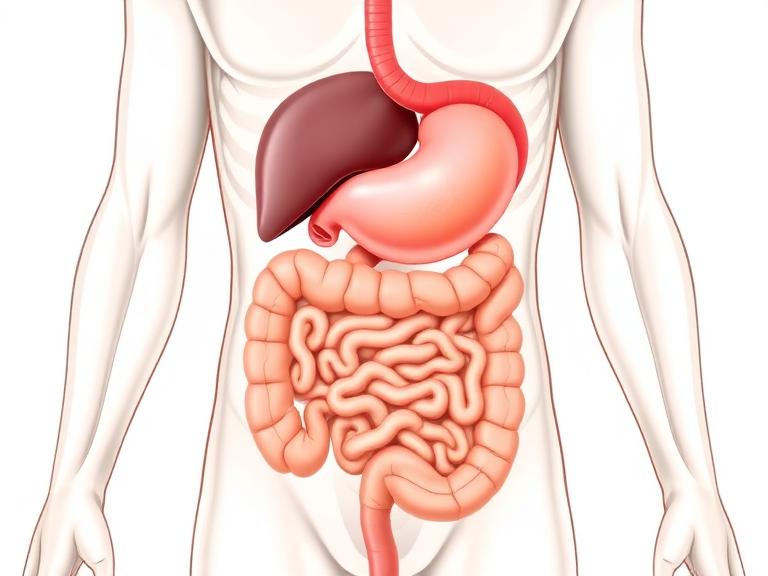
Clinical Grading Spectrum of Internal Hemorrhoids (Goligher’s Classification)
- Grade 1 Piles: Prominent internal hemorrhoidal vascular cushions that bleed during bowel movements but do not prolapse out of the anal canal. Managed conservatively with dietary fiber, hydration, and topical ointments.
- Grade 2 Piles: Hemorrhoidal masses that prolapse outside the anal verge during straining or defecation but spontaneously reduce back inside on their own. Managed with rubber band ligation or daycare laser therapy.
- Grade 3 Piles: Internal hemorrhoidal masses that prolapse out of the anal canal during defecation or physical effort and DO NOT spontaneously reduce. They require manual reduction (pushed back in digitally by hand). Requires definitive minimal-access laser or stapled surgical intervention.
- Grade 4 Piles: Chronic, irreducible prolapsed hemorrhoidal tissue that remains permanently outside the anal verge, often complicated by thrombosis, ulceration, skin tags, or strangulation. Requires advanced surgical resection or combined laser-stapled repair.
Patients living with Grade 3 piles often experience recurrent painless bright-red rectal bleeding, persistent mucous discharge, perianal skin irritation, severe discomfort while sitting, and a constant sensation of fullness in the rectum.
Modern proctology in Hyderabad has evolved beyond painful open surgical cutting. Leading medical centers across major healthcare zones—including Jubilee Hills, Banjara Hills, HITECH City, Gachibowli, Secunderabad, Begumpet, and Kukatpally—offer specialized Grade 3 Piles Treatment in Hyderabad. By utilizing advanced minimal-access procedures—such as Laser Hemorrhoidoplasty (LPH) and Stapled Hemorrhoidopexy (MIPH)—specialists eliminate prolapsed hemorrhoidal tissue while preserving natural sphincter anatomy and bowel control.
1. Pathophysiology and Clinical Anatomy of Grade 3 Piles
Understanding why hemorrhoids progress to Grade 3 requires examining the natural anatomical structure of the lower rectum and anal canal:
The Role of Hemorrhoidal Cushions
Normal hemorrhoidal cushions are submucosal structures containing arteriovenous anastomoses, smooth muscle fibers (Treitz’s muscle), and connective tissue located in the left lateral, right anterior, and right posterior walls of the anal canal. They act as protective cushions during defecation and contribute to complete anal continence by sealing the canal at rest.
Connective Tissue Degradation & Prolapse
Pathological hemorrhoids develop when chronic intra-abdominal pressure—caused by straining during constipation, prolonged sitting, chronic coughing, or pregnancy—stretches and ruptures the supporting connective tissue frame (Parks ligament and Treitz’s muscle).
When these supporting tissues break down:
- The venous plexus within the cushion becomes chronically engorged and dilated.
- The enlarged vascular mass loses its mucosal anchoring.
- During bowel movements, the downward pressure of stool forces the engorged cushion out through the anal orifice.
- Over time, the prolapsed tissue loses its natural elastic recoil, resulting in Grade 3 hemorrhoid prolapse that requires manual reduction.
2. Advanced Surgical and Minimal-Access Modalities in Hyderabad
Treatment for Grade 3 piles focuses on stopping internal bleeding, shrinking dilated vascular tissue, and restoring prolapsed tissue to its natural anatomical position above the dentate line.
A. Laser Hemorrhoidoplasty (LPH)
Laser Hemorrhoidoplasty is the gold standard minimal-access procedure for Grade 3 internal piles. Under short general or spinal anesthesia, the surgeon inserts a specialized optical fiber probe connected to a 1470 nm diode laser console directly into the core of the hemorrhoidal mass without making mucosal cuts.
Controlled laser energy is delivered radially, photothermalizing the submucosal venous plexus. This immediate thermal action:
- Closes the arterial feeding branches supplying the pile mass.
- Shrinks the internal vascular tissue from within.
- Induces submucosal fibrosis, anchoring the treated cushion back against the rectal wall.
Key Advantages: 100% sphincter preservation, no open surgical wounds, minimal post-operative pain, daycare discharge in 4 to 6 hours, and quick return to work within 2 to 4 days.
B. Stapled Hemorrhoidopexy (MIPH / PPH)
Stapled Hemorrhoidopexy—also known as Minimally Invasive Procedure for Hemorrhoids (MIPH) or Procedure for Prolapse and Hemorrhoids (PPH)—is ideal for circumferential Grade 3 or early Grade 4 prolapsed piles.
Using a specialized circular stapling device introduced into the rectum, the surgeon excises a circumferential ring of prolapsed submucosa above the dentate line. The device simultaneously staples the remaining mucosal edges together. This action:
- Lifts and anchors the prolapsed tissue back into its natural anatomical position inside the rectum.
- Interrupts the superior hemorrhoidal arterial blood supply, causing residual hemorrhoidal tissue to shrink over subsequent weeks.
Key Advantages: Performed in a sensory-insensitive zone above the dentate line (resulting in significantly less pain than open surgery), excellent for circumferential prolapse, and rapid recovery.
C. Conventional Open / Closed Hemorrhoidectomy (Milligan-Morgan / Ferguson)
Conventional surgical excision involves physically cutting away hemorrhoidal tissue using a scalpel, electrocautery, or harmonic scalpel. In the Milligan-Morgan open technique, surgical wounds are left open to heal by secondary intention; in the Ferguson closed technique, wounds are closed with absorbable sutures.
While traditional excision provides low recurrence rates for severe Grade 4 hemorrhoids, it involves cutting sensitive anodermal skin below the dentate line. This results in significant post-operative pain, requires daily sitz baths, and demands 3 to 6 weeks of recovery time.
3. Comprehensive Cost Breakdown: Grade 3 Piles Care in Hyderabad
Treatment costs for Grade 3 piles in Hyderabad vary based on procedure type (Laser LPH, Stapled MIPH, or Open Surgery), hospital classification, room category, single-use surgical consumables, and surgeon experience.
2026 Price Index for Grade 3 Piles Treatment in Hyderabad
- Senior Proctologist Consultation & Anoscopy: ₹600 – ₹1,200
- Diagnostic Anoscopy / Flexible Sigmoidoscopy: ₹2,500 – ₹5,500
- Laser Hemorrhoidoplasty (LPH – Daycare Package): ₹50,000 – ₹75,000
- Laser Hemorrhoidoplasty (Corporate Hospital Private Room): ₹70,000 – ₹90,000
- Stapled Hemorrhoidopexy (MIPH with Circular Stapler Kit): ₹65,000 – ₹95,000
- Conventional Open / Closed Surgical Hemorrhoidectomy: ₹35,000 – ₹55,000
- Routine Pre-Operative Diagnostic Clearance: ₹3,000 – ₹5,000
- Post-Operative Medications & Aftercare Supplies: ₹1,500 – ₹3,500
4. Method Comparison: Open Surgery vs. Laser LPH vs. Stapled MIPH
Comparing clinical parameters highlights why modern proctology favors laser and stapled techniques over traditional open cutting:
| Clinical Parameter | Conventional Open Surgery | Modern Laser LPH | Stapled MIPH |
|---|---|---|---|
| Primary Surgical Mechanism | Physical cutting & excision of pile mass | Submucosal laser photothermal shrinkage | Circumferential excision & stapled re-anchoring |
| Wound Profile | Open / sutured sensitive anodermal cuts | Stitchless (Tiny needle puncture) | Internal circular staple line above dentate line |
| Post-Operative Pain Level | Severe (Requires strong analgesics) | Minimal to Mild | Mild to Moderate |
| Hospital Stay Duration | 2 to 4 Days | Daycare Discharge (4 to 6 hrs) | 24-Hour Admission |
| Return to Desk Work | 3 to 6 Weeks | 2 to 4 Days | 5 to 7 Days |
| Risk of Sphincter Damage | Low to Moderate (If cuts are deep) | Zero (100% Preserved) | Zero (Above dentate line) |
| Circumferential Prolapse Efficacy | Moderate | Excellent for localized masses | Superior for circumferential prolapse |
| Average Cost Range (INR) | ₹35,000 – ₹55,000 | ₹50,000 – ₹85,000 | ₹65,000 – ₹95,000 |
5. Key Quality Indicators for Piles Treatment Centers in Hyderabad
Selecting the right hospital and specialist ensures optimal clinical outcomes and minimizes recurrence risks:
Critical Quality Indicators
- Advanced Diagnostic Suite: In-house high-definition video anoscopy and sigmoidoscopy equipment to accurately grade hemorrhoids and rule out co-existing anorectal pathology.
- Modern Surgical Infrastructure: Dedicated 1470 nm diode laser consoles with radial fiber probes and single-use premium circular stapling equipment.
- Surgeon Expertise: Board-certified Colorectal Surgeons or Laser Proctologists (MS/DNB/FMAS) with extensive fellowship training and high procedure volumes.
- Transparent Pricing & Cashless Support: NABH accreditation with empaneled insurance TPA desks for seamless 24-hour daycare cashless claim processing.
6. Step-by-Step Patient Journey: What to Expect
Undergoing treatment for Grade 3 piles follows a standardized clinical pathway:
Step 1: Specialist Consultation & Diagnostic Anoscopy
Your proctologist evaluates your medical history, symptoms, and bowel habits, performing a gentle digital rectal examination and anoscopy. This confirms Grade 3 internal hemorrhoid prolapse, identifies the exact number and clock-face positions of pile masses, and rules out fissures or polyps.
Step 2: Pre-Operative Clearance & Bowel Preparation
Routine blood panels (CBC, coagulation profile, viral markers) and ECG are completed. A mild fleet enema is administered on the morning of surgery to clear the lower rectum.
Step 3: Surgical / Laser Procedure in Operating Room
Under short general or spinal anesthesia, the surgical team executes the planned procedure—whether Laser Hemorrhoidoplasty (LPH) or Stapled Hemorrhoidopexy (MIPH)—resolving the prolapsed tissue in 20 to 30 minutes.
Step 4: Recovery & Daycare Discharge
After resting in the recovery lounge for 4 to 6 hours, you receive light fluids, walk comfortably, and are discharged home the same afternoon or evening.
Step 5: Home Recovery & Follow-Up
You take warm sitz baths 2 to 3 times daily, use oral stool softeners, maintain clean perianal hygiene, and follow a high-fiber diet. Most patients return to light desk work within 2 to 4 days.
7. Post-Operative Rehabilitation, Sitz Baths, and Dietary Guidelines
Following proper post-operative care ensures smooth healing and helps prevent future hemorrhoid recurrence:
Warm Sitz Bath Protocol
Soak in a tub of warm water for 10 to 15 minutes, 2 to 3 times daily (and immediately after every bowel movement). Warm sitz baths relax sphincter muscle spasms, cleanse the perianal region without rough wiping, increase blood flow, and accelerate tissue healing.
Bowel Management & Dietary Guidelines
- Take Stool Softeners: Take prescribed osmotic stool softeners (such as Polyethylene Glycol or Lactulose) for 2 to 4 weeks to ensure soft, effortless bowel movements without straining.
- Emphasize Soluble Fiber: Eat fiber-rich foods—such as papaya, oats, chia seeds, steamed vegetables, and moong dal—and drink 3 to 4 liters of water daily to build soft, bulky stools.
- Avoid Irritating Foods: Refrain from eating spicy dishes, deep-fried snacks, refined flour (maida), caffeine, and alcohol, which irritate the digestive tract and harden stool.
Toilet Habits & Ergonomics
- Avoid Straining: Never strain or force bowel movements. If evacuation does not occur within 3 to 5 minutes, step away from the toilet and return when the urge naturally recurs.
- Limit Toilet Time: Do not sit on the toilet for extended periods (avoid reading or using smartphones on the toilet), as prolonged sitting increases venous pressure in the anal canal.

Frequently Asked Questions (15 Clinical & Practical FAQs)
1. What defines Grade 3 piles (hemorrhoids)?
Grade 3 piles are internal hemorrhoids that prolapse out of the anal canal during bowel movements or physical straining. Unlike Grade 2 piles (which spontaneously retract back inside), Grade 3 piles do not retract on their own and require manual reduction (being pushed back inside digitally by hand). They are frequently accompanied by painless bleeding, mucous discharge, severe discomfort, and perianal itching.
2. Can Grade 3 piles be cured without surgery?
Grade 3 piles involve significant structural enlargement of hemorrhoidal venous cushions and breakdown of supporting connective tissue (Parks ligament). While high-fiber diets, stool softeners, and warm sitz baths can temporarily relieve swelling and bleeding, non-surgical measures cannot restore prolapsed structural tissue. Physical intervention—such as Laser Hemorrhoidoplasty (LPH) or Stapled Hemorrhoidopexy (MIPH)—is required for a definitive cure.
3. What is the average cost of Grade 3 piles treatment in Hyderabad?
The cost of Grade 3 piles treatment in Hyderabad ranges from ₹35,000 to ₹95,000. Conventional open surgical hemorrhoidectomy costs between ₹35,000 and ₹50,000, while advanced Laser Hemorrhoidoplasty (LPH) ranges from ₹50,000 to ₹80,000. Stapled Hemorrhoidopexy (MIPH) in corporate hospitals ranges between ₹65,000 and ₹95,000 depending on single-use circular stapler equipment.
4. How does Laser Hemorrhoidoplasty (LPH) work for Grade 3 piles?
Under short anesthesia, a specialized laser fiber emitting a 1470 nm diode wavelength is inserted directly into the core of the swollen internal hemorrhoidal mass. Controlled laser thermal energy coagulates the submucosal venous plexus from within. This cuts off blood supply to the pile mass, causing it to shrink, atrophy, and retract naturally while preserving the surrounding anal mucosa and sphincter muscles.
5. What is Stapled Hemorrhoidopexy (MIPH), and when is it recommended?
Stapled Hemorrhoidopexy (Procedure for Prolapse and Hemorrhoids – PPH) uses a circular surgical stapling device to excise a ring of prolapsed mucosa above the dentate line. This lifts and anchors the prolapsed hemorrhoidal cushions back to their natural anatomical position inside the rectum while interrupting their arterial blood supply. It is recommended for large, circumferential Grade 3 or Grade 4 prolapsed piles.
6. Why is laser surgery preferred over traditional open surgical hemorrhoidectomy?
Laser surgery is minimally invasive and stitchless. Traditional Milligan-Morgan open hemorrhoidectomy cuts out hemorrhoidal tissue, leaving painful open surgical wounds in sensitive skin zones. Laser surgery photothermalizes tissue internally without open cuts, resulting in significantly less post-operative pain, negligible bleeding, shorter hospital stays (daycare discharge in 4 to 6 hours), and a quick return to work within 2 to 4 days.
7. How long is the hospital stay for Grade 3 piles laser treatment in Hyderabad?
Laser Hemorrhoidoplasty is typically performed as a daycare admission. Patients are admitted in the morning, undergo the 20-to-30-minute laser procedure, and are discharged home the same afternoon or evening within 4 to 6 hours.
8. How soon can I return to work after Grade 3 piles laser surgery?
Most patients undergoing laser treatment for Grade 3 piles resume light desk work within 2 to 4 days, compared to 3 to 6 weeks required after traditional open cutting surgery.
9. Is Grade 3 piles treatment covered under health insurance in India?
Yes. Medically necessary procedures for Grade 3 piles—including Laser Hemorrhoidoplasty (LPH), Stapled Hemorrhoidopexy (MIPH), and traditional open/closed hemorrhoidectomy—are standard covered benefits under private health insurance policies, corporate group insurance, and TPA desks across empaneled hospitals in Hyderabad.
10. Is an anoscopy mandatory during the initial consultation for Grade 3 piles?
Yes. An anoscopy involves inserting a small, illuminated scope into the anal canal. It allows the proctologist to visually inspect the internal hemorrhoidal cushions, confirm Grade 3 prolapse, rule out co-existing anal fissures, rectal polyps, or fistulas, and select the optimal surgical technique.
11. What are the common causes of Grade 3 piles in urban adults?
Primary causes include chronic constipation, severe straining during bowel movements, prolonged sitting on toilets (often exacerbated by smartphone usage), sedentary desk jobs, low dietary fiber intake, chronic diarrhea, obesity, and pelvic floor weakness associated with pregnancy or aging.
12. Can Grade 3 piles turn into rectal cancer?
No. Piles (hemorrhoids) are enlarged normal vascular cushions and do not transform into cancer. However, rectal bleeding caused by piles can mimic warning signs of colorectal cancer or polyps, making accurate clinical evaluation by a specialist essential.
13. What post-operative care is required after laser treatment for Grade 3 piles?
Post-op care includes taking warm sitz baths 2 to 3 times daily, taking oral stool softeners to prevent straining, consuming a high-fiber diet, drinking 3 to 4 liters of water daily, avoiding prolonged sitting, and refraining from heavy lifting for 2 weeks.
14. What is the risk of fecal incontinence with laser piles surgery?
The risk of fecal incontinence with Laser Hemorrhoidoplasty is negligible (< 1%). Because laser energy is directed precisely into the submucosal hemorrhoidal tissue without cutting or damaging the internal or external anal sphincter muscles, normal bowel control is fully preserved.
15. How do I choose the best hospital for Grade 3 piles treatment in Hyderabad?
Select NABH-accredited facilities equipped with modern 1470 nm diode laser proctology consoles, fellowship-trained laser proctologists or colorectal surgeons (MS/DNB/FMAS), 24/7 emergency care, cashless insurance TPA desks, and transparent package pricing.