Pregnancy Delivery Care in Vizag | Top Hospitals & Specialists
Table of Contents
Pregnancy Delivery Care in Vizag | Top Hospitals & Specialists
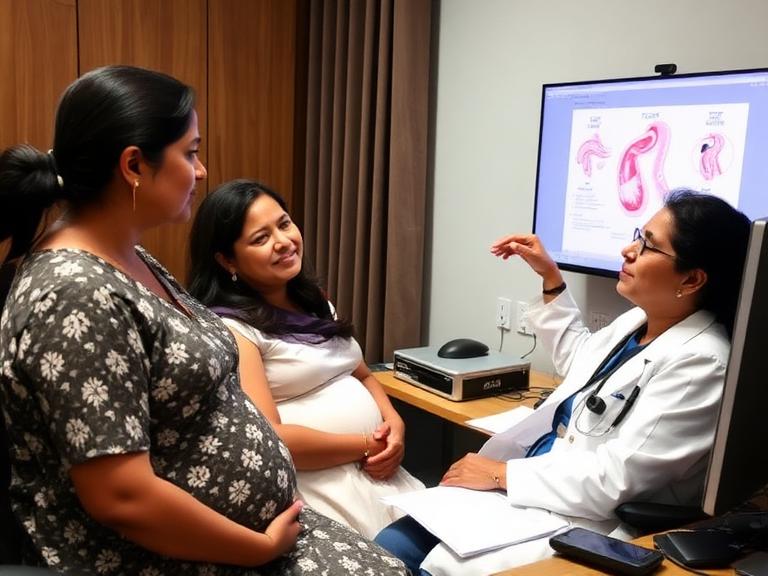
Planning for Pregnancy Delivery Care in Vizag (Visakhapatnam) is one of the most significant healthcare decisions an expectant mother and her family will make. Pregnancy and childbirth represent a dynamic physiological transition that requires continuous medical oversight, advanced diagnostic monitoring, compassionate labor support, and immediate emergency readiness. Whether a woman experiences a smooth, uncomplicated gestation or navigates complex maternal-fetal co-morbidities, having access to structured, evidence-based maternity care ensures the highest levels of safety, dignity, and clinical excellence for both mother and newborn.
Over the past decade, Visakhapatnam has emerged as the premier medical hub for North Coastal Andhra Pradesh. Today, the city boasts international-standard Labor Delivery Recovery (LDR) birthing suites, 24/7 fetomaternal monitoring, consultant obstetric anesthesiologists for painless epidural labor, and Level-III Neonatal Intensive Care Units (NICU) staffed round-the-clock by resident neonatologists. From central healthcare belts in Maharani Peta, Jagadamba Junction, Siripuram, Ram Nagar, and MVP Colony to fast-growing suburban corridors in Health City Arilova, Sheela Nagar, Madhurawada, PM Palem, Gajuwaka, and Kancharapalem, expectant mothers across Vizag have direct access to comprehensive pregnancy and delivery care.
This authoritative clinical guide provides an exhaustive roadmap to Pregnancy Delivery Care in Vizag—exploring trimester-by-trimester care protocols, diagnostic screening milestones, natural and painless delivery modalities, high-risk emergency readiness, LDR suite features, hospital comparisons, exact cost structures, a patient checklist, 15 detailed FAQs, and structured JSON-LD schema markup.

1. The Clinical Spectrum of Modern Pregnancy Delivery Care
Pregnancy Delivery Care spans a continuous clinical continuum starting from pre-conception planning through antenatal monitoring, intrapartum labor management, and postnatal recovery (the “fourth trimester”). Rather than viewing childbirth as an isolated medical event, modern obstetrics in Visakhapatnam treats maternity as a holistic journey requiring integrated multidisciplinary collaboration.
                  Spectrum of Comprehensive Delivery Care
 ┌────────────────────────────────────────────────────────────────────────┐
 │ Stage 1: Pre-Conception & Early Antenatal Care (Weeks 1 to 13+6)       │
 │ Stage 2: Fetal Organ Development & Metabolic Screening (Weeks 14 to 27)│
 │ Stage 3: Third-Trimester Fetal Growth & Birth Preparation (Weeks 28-40)│
 │ Stage 4: Intrapartum Delivery Management (Normal, Painless, or LSCS)  │
 │ Stage 5: Postnatal Recovery, Lactation, & Newborn Transition (Weeks 1-6)│
 └────────────────────────────────────────────────────────────────────────┘
Primary Pillars of Integrated Delivery Care in Vizag:
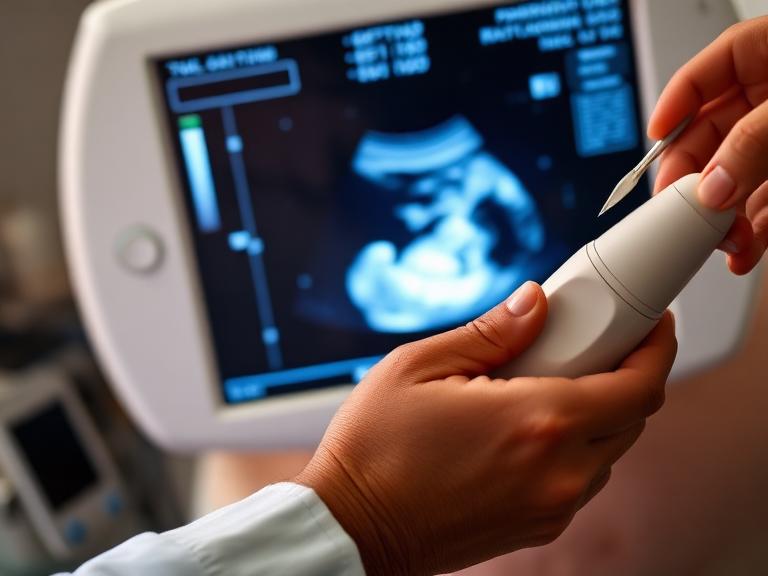
- Evidence-Based Antenatal Surveillance: Utilizing systematic diagnostic check-ups, blood chemistry panels, and high-resolution ultrasound imaging to track fetal organogenesis and maternal physiological adaptation.
- Patient-Centered Birthing Options: Supporting spontaneous, low-intervention natural birth while making advanced pain relief—such as lumbar epidural analgesia—available for women seeking a painless delivery experience.
- High-Risk Obstetric Readiness: Maintaining specialized clinical protocols for managing Gestational Diabetes Mellitus (GDM), preeclampsia, thyroid disorders, twin gestations, and previous C-sections (VBAC).
- Immediate Neonatal Resuscitation & NICU Backing: Guaranteeing that every birth is attended by trained pediatric medical personnel backed by an on-site Level-III NICU for premature or critically ill newborns.
2. Trimester-by-Trimester Antenatal & Delivery Preparation Protocols
A healthy birth outcome is built systematically across all three trimesters of pregnancy. Maternity specialists in Vizag follow structured clinical protocols tailored to each gestational milestone.
                 Antenatal Care Roadmap in Visakhapatnam
 ┌────────────────────────────────────────────────────────────────────────┐
 │ 1st Trimester (Weeks 1–13+6)  : Early TVS scan, baseline bloods,       │
 │                                 NT scan & Double Marker screening      │
 │ 2nd Trimester (Weeks 14–27)   : Level-II TIFFA scan, Fetal Echo, OGTT   │
 │                                 (DIPSI diabetes check), Tdap vaccine   │
 │ 3rd Trimester (Weeks 28–40+)  : Serial Growth Dopplers, NST checks,    │
 │                                 Birth Plan review, PAC Epidural check  │
 └────────────────────────────────────────────────────────────────────────┘
First Trimester: Confirmation & Baseline Health (Weeks 1 to 13+6)
- Early Viability Ultrasound (Weeks 6–8): Conducted via Transvaginal Sonography (TVS) to confirm an intrauterine gestational sac, measure Crown-Rump Length (CRL) for exact due date calculation, check early cardiac activity, and rule out ectopic pregnancy.
- Baseline Laboratory Evaluation: Complete Blood Count (CBC), ABO/Rh blood typing, Fasting Blood Sugar (FBS), HbA1c, Thyroid-Stimulating Hormone (TSH), Serology (HIV, HBsAg, HCV, VDRL), Rubella IgG antibodies, and Urine Routine/Culture.
- First Trimester Screening (Weeks 11–13+6):
- Nuchal Translucency (NT) Scan: Measures the fluid space behind the fetal neck to evaluate chromosomal risks (Trisomy 21, 18, 13) and early structural anomalies.
- First Trimester Double Marker: Serum blood test measuring Free Beta-hCG and PAPP-A. Combined with the NT scan, it yields a high-accuracy risk algorithm.
- Uterine Artery Color Doppler: Evaluates blood flow resistance in uterine arteries. Mothers identified with high vascular resistance are started on low-dose Aspirin ($150\text{ mg}$) before Week 16 to prevent early preeclampsia and fetal growth restriction.
Second Trimester: Organ Architecture & Metabolic Balance (Weeks 14 to 27)
- Targeted Level-II Anomaly Scan (TIFFA – Weeks 18–22): A high-resolution anatomical ultrasound checking the fetal brain, facial profile, spine, cardiac chambers, stomach, kidneys, bladder, limbs, placental location, and amniotic fluid volume. Cervical length is also measured to screen for cervical incompetence.
- Targeted Fetal Echocardiography (Weeks 20–24): A specialized ultrasound evaluating fetal heart structure, recommended for pregnancies conceived via IVF, mothers with pre-existing diabetes, or those with a family history of congenital heart disease.
- Gestational Diabetes Screening (DIPSI Protocol – Weeks 24–28): A 75g Oral Glucose Tolerance Test (OGTT). A 2-hour plasma glucose value $\ge 140\text{ mg/dL}$ establishes a diagnosis of Gestational Diabetes Mellitus (GDM).
- Maternal Immunization: Administration of the Tdap (Tetanus, Diphtheria, Acellular Pertussis) vaccine and annual Influenza vaccine to transfer protective antibodies across the placenta to the fetus.
Third Trimester: Fetal Reserve & Delivery Preparation (Weeks 28 to 40)
- Serial Growth Scans & Color Doppler (Weeks 28, 32, 36): Monitors Estimated Fetal Weight (EFW), abdominal circumference growth trajectory, amniotic fluid volume, and blood flow velocity through the umbilical artery and Middle Cerebral Artery (MCA).
- Non-Stress Testing (NST / Cardiotocography): Electronic monitoring recording fetal heart rate reactivity alongside uterine contractions to confirm fetal well-being in late pregnancy.
- Pre-Anesthetic Evaluation (PAC): Consultation with the hospital anesthesiologist to review blood coagulation profiles, assess spinal anatomy, and clear the mother for painless epidural analgesia or emergency C-section anesthesia.
- Group B Streptococcus (GBS) Screening (Weeks 35–37): Vagino-rectal swab culture to identify GBS colonization, allowing timely intrapartum antibiotic prophylaxis during labor to protect the newborn.
3. Delivery Modalities & Birthing Options Available in Vizag
Modern maternity centers in Visakhapatnam offer a spectrum of delivery choices designed to meet diverse medical requirements and maternal preferences.
                 Delivery Options Spectrum in Vizag
                               │
 ┌─────────────────────────────┼─────────────────────────────┐
 ▼                             ▼                             ▼
[Spontaneous Normal Birth]    [Painless Epidural Delivery]   [Emergency / Elective LSCS]
 - Low intervention            - Lumbar catheter relief       - Indicated surgical birth
 - Freedom of movement         - Preserves motor function     - 24/7 OT & Anesthesia
 - Active partner support      - Mother remains awake/alert   - On-site blood bank backup
1. Spontaneous Normal Vaginal Delivery (NVD)
A natural, physiological birth occurring between 37 and 42 completed weeks of gestation. Pro-normal delivery specialists in Vizag encourage active labor mobility (walking, birthing balls, squatting), maintain patience during cervical dilation, perform selective episiotomies only when medically necessary, and support immediate skin-to-skin contact.
2. Painless Normal Delivery via Epidural Analgesia
For women seeking complete labor pain relief without undergoing surgery, Painless Delivery is widely available across major Vizag hospitals.
- Mechanism: A consultant anesthesiologist places a hair-thin catheter into the lumbar epidural space of the lower back. Ultra-dilute local anesthetics (Ropivacaine) combined with micro-opioid adjuvants block contraction pain signals while keeping the mother fully alert and capable of pushing naturally.
- Advantages: Prevents maternal exhaustion during prolonged labor, lowers stress hormone surges, stabilizes maternal blood pressure, and can be converted to surgical anesthesia instantly if an emergency arises.
3. Assisted Operative Vaginal Delivery
If fetal distress occurs during the second stage of labor or maternal exhaustion prevents effective pushing, experienced specialists can apply gentle vacuum extraction (ventouse) or obstetrical forceps to complete the delivery safely without resorting to a C-section.
4. Elective & Emergency Cesarean Section (LSCS)
When medical, anatomical, or fetal complications make vaginal delivery unsafe, a C-section is performed in a dedicated surgical operating theater.
- Clinical Indications: Complete placenta previa, placental abruption, severe fetal distress (persistent bradycardia), umbilical cord prolapse, transverse fetal lie, previous multiple C-sections, or severe preeclampsia.
4. Managing High-Risk Pregnancy & Delivery Complications
A significant portion of maternity consultations in Visakhapatnam involves high-risk pregnancy care—cases requiring specialized maternal-fetal sub-specialists and multidisciplinary backup.
                 High-Risk Obstetric Protocols
 ┌────────────────────────────────────────────────────────────────────────┐
 │ 1. Gestational Diabetes (GDM)    : Strict glucose logs & insulin care │
 │ 2. Hypertensive Disorders        : Labetalol, Nifedipine, & MgSO4     │
 │ 3. Multiple Gestations (Twins)   : Chorionicity & TTTS surveillance   │
 │ 4. Cervical Incompetence         : Elective cerclage & progesterone    │
 │ 5. Postpartum Hemorrhage (PPH)   : Oxytocin, Bakri balloon, & Blood Bank│
 └────────────────────────────────────────────────────────────────────────┘
High-Risk Conditions Managed in Vizag Hospitals:
- Gestational Diabetes Mellitus (GDM): Managed through Medical Nutrition Therapy (MNT), daily capillary glucose tracking, and insulin therapy. Careful management prevents fetal macrosomia ($> 4.0\text{ kg}$) and shoulder dystocia during delivery.
- Hypertensive Disorders & Preeclampsia: Monitored using spot urine protein-to-creatinine ratios, renal/liver blood panels, and Color Doppler scans. Severe cases receive IV Magnesium Sulfate ($\text{MgSO}_4$) for seizure prevention alongside controlled blood pressure reduction.
- Placenta Previa & Placenta Accreta Spectrum (PAS): Managed in tertiary medical centers equipped with hybrid operating rooms, interventional radiology (uterine artery embolization), and on-site blood banks to handle severe intraoperative bleeding safely.
- Vaginal Birth After Cesarean (VBAC): Women with one prior low-transverse C-section can undergo a Trial of Labor After Cesarean (TOLAC) in hospitals equipped with 24/7 operating rooms, continuous CTG tracking, and emergency blood backup.
5. Labor Delivery Recovery (LDR) Suites & Birthing Comforts
The birthing environment significantly influences maternal comfort, stress reduction, and overall delivery safety. Modern maternity institutions in Visakhapatnam feature single-room Labor Delivery Recovery (LDR) Suites.
                  LDR Suite vs. Traditional Ward
 ┌────────────────────────────────────────────────────────────────────────┐
 │ Traditional Ward: Labor Room ──► Transfer ──► Delivery OT ──► Recovery│
 │                                                                        │
 │ LDR Suite Concept: Single Private Suite (Labor, Birth, Recovery in 1)  │
 └────────────────────────────────────────────────────────────────────────┘
Key Features of LDR Suites in Vizag:
- Single-Room Continuity: The mother stays in one private room for labor, delivery, and initial recovery, eliminating the physical stress of being transferred between different wards during active contractions.
- Multi-Position Birthing Beds: Motorized beds convert smoothly into surgical birthing tables within seconds.
- Family Partner Accommodation: Spacious private design allows the husband or birthing partner to stay by the mother’s side continuously.
- In-Room Newborn Resuscitation: Every LDR suite includes an integrated radiant warmer and infant care station, allowing pediatricians to conduct newborn checks right in front of the parents.
6. Neonatal Safety Standards & Level-III NICU Backing
Childbirth safety requires equal dedication to the immediate needs of the newborn. While most babies transition smoothly, unexpected respiratory distress, birth asphyxia, or meconium aspiration require immediate specialized neonatal care.
                 Neonatal Safety Infrastructure
 ┌────────────────────────────────────────────────────────────────────────┐
 │ • Resident Neonatologists on 24/7 In-House Duty                        │
 │ • Newborn Resuscitation Stations in Every Delivery Room & OT           │
 │ • Level-III NICU with Invasive / Non-Invasive Mechanical Ventilators   │
 │ • Total Parenteral Nutrition (TPN), Phototherapy, & Cooling Therapy    │
 └────────────────────────────────────────────────────────────────────────┘
Why Level-III NICU Support is Essential:
- 24/7 Neonatologist Presence: Having certified neonatologists physically present in the hospital ensures expert medical care during high-risk births or unexpected fetal distress.
- Advanced Respiratory Support: Level-III NICUs feature High-Frequency Oscillatory Ventilation (HFOV), Bubble CPAP, surfactant replacement therapy, and therapeutic hypothermia (cooling therapy) for newborns with hypoxic-ischemic encephalopathy (HIE).
- Care for Extreme Prematurity: Capable of managing extremely low birth weight (ELBW) infants born as early as 26 to 28 weeks gestation.
7. Major Healthcare Corridors & Maternity Hospitals in Visakhapatnam
Expectant mothers in Visakhapatnam can choose from established multi-specialty hospitals, dedicated mother-and-child centers, and specialized clinics across three primary geographic belts:
             Key Maternity Healthcare Hubs Across Vizag
 ┌──────────────────────────────────────────────────────────────────┐
 │ Central Region : Maharani Peta, Jagadamba, Siripuram, Ram Nagar  │
 │ North Region   : Health City Arilova, PM Palem, Madhurawada      │
 │ South/West Zone: Sheela Nagar, Gajuwaka, Kancharapalem, MVP      │
 └──────────────────────────────────────────────────────────────────┘
Leading Hospitals & Pregnancy Delivery Care Specialists in Vizag:
- Central Medical Belt (Maharani Peta, Jagadamba Junction, Siripuram, Ram Nagar, MVP Colony):
- Medicover Woman & Child Hospital (Jagadamba Junction / KGH Down Road): Premier 150-bed mother-and-child tertiary facility featuring 40+ Level-III NICU beds, advanced LDR suites, and 24/7 emergency care. Senior delivery specialists include:
- Dr. R. Vidya Rama (MBBS, DGO, MD – 26+ yrs exp)
- Dr. Reddi Geeta Vandana (MBBS, MD – 33+ yrs exp)
- Dr. M. Radhika (MBBS, DGO, DNB – 26+ yrs exp)
- Dr. B. Lakshmi Kondamma (MBBS, DGO, DNB – 23+ yrs exp)
- Lotus Women & Children’s Hospitals (Siripuram): Renowned birthing center offering natural birthing suites, painless labor, high-risk pregnancy management, and Level-III NICU care. Key doctors include Dr. I. Vani (35+ yrs exp) and Dr. Santhi Meher Peddi.
- Motherly Women & Child Care Hospital (Vizag): Specialized maternity hospital offering normal and high-risk pregnancy care, 24/7 doctor availability, LDR rooms, and in-house laboratory support.
- Dr. Ramya Sadaram Clinic / Blissful Pregnancy (MVP Colony & Kancharapalem): Led by Dr. Ramya Sadaram (MBBS, DGO, DNB, FMAS, FRM, Childbirth Educator, 10+ yrs exp, 500+ deliveries), focusing on natural birth preparation, birthing plans, and continuity of care.
- Tirumala Vijaya Hospital (MVP Colony): Features Dr. Hema Malini Pallekonda (Gynecologist & Fetal Medicine Specialist).
- CARE Hospitals (Ram Nagar): Tertiary multi-specialty institution providing high-risk obstetric care and adult ICU backup.
- Medicover Woman & Child Hospital (Jagadamba Junction / KGH Down Road): Premier 150-bed mother-and-child tertiary facility featuring 40+ Level-III NICU beds, advanced LDR suites, and 24/7 emergency care. Senior delivery specialists include:
- North Suburban Belt (Health City Arilova, PM Palem, Madhurawada):
- Apollo Health City (Arilova / Ram Nagar): Super-specialty medical complex featuring senior obstetricians like Dr. Suniti Polisetti, Dr. Vidya Konduri (14+ yrs exp), and Dr. Sridevi (36+ yrs exp).
- Rainbow Children’s Hospital & BirthRight (Health City Arilova): Premier perinatal center offering luxury birthing suites, water birth options, and Level-III NICU coverage.
- Vedanta Women & Children’s Hospital (PM Palem / Madhurawada): Serves northern suburban communities with modern labor facilities and pediatric support.
- South & Industrial Belt (Sheela Nagar, Gajuwaka, Kancharapalem):
- KIMS Cuddles (Sheela Nagar): Modern women and children hospital offering high-risk pregnancy care, LDR birthing suites, and Level-III NICU facilities.
- Latha Hospital & Janani Nursing Home (Gajuwaka): Serves industrial residential communities with experienced obstetricians including Dr. K. Vidyullata (Latha Hospital) and Dr. K.V. Sudha Madhuri (Janani Nursing Home).
8. Complete Cost Matrix for Delivery Care Packages in Visakhapatnam
Having transparent pricing information helps families plan financially for antenatal check-ups, diagnostic scans, and hospital delivery packages in Visakhapatnam:
Estimated Cost Comparison Matrix
| Medical Service / Delivery Package Category | Independent Nursing Home / Clinic | Tertiary / Corporate Hospital |
| Obstetric Specialist Consultation (Per Visit) | ₹300 – ₹500 | ₹600 – ₹1,200 |
| Early Pregnancy Viability Scan (TVS) | ₹800 – ₹1,200 | ₹1,400 – ₹2,500 |
| First Trimester NT Scan + Double Marker | ₹2,200 – ₹3,500 | ₹3,500 – ₹5,800 |
| Level-II TIFFA Anomaly Scan | ₹1,800 – ₹2,800 | ₹2,800 – ₹4,800 |
| Third-Trimester Growth Scan + Color Doppler | ₹1,500 – ₹2,200 | ₹2,200 – ₹4,200 |
| Standard Normal Vaginal Delivery (NVD Package) | ₹30,000 – ₹50,000 | ₹55,000 – ₹95,000 |
| Painless Normal Delivery Package (NVD + Epidural) | ₹40,000 – ₹65,000 | ₹70,000 – ₹1,20,000 |
| Elective Cesarean Section Delivery (LSCS Package) | ₹45,000 – ₹75,000 | ₹85,000 – ₹1,50,000 |
| Emergency C-Section Delivery Package | ₹50,000 – ₹85,000 | ₹95,000 – ₹1,65,000 |
| Level-III NICU Care (Per Baby / Per Day) | ₹4,000 – ₹7,000 | ₹8,000 – ₹18,000 |
Note: Package rates vary depending on room category selected (general ward, semi-private, private room, or luxury LDR suite), doctor seniority, nursing charges, and medication requirements. Most corporate hospitals in Vizag accept health insurance policies and offer cashless authorization.
9. Patient Selection Checklist for Expectant Families in Vizag
Use this practical evaluation checklist when choosing a pregnancy delivery care provider and hospital in Visakhapatnam:
          Pregnancy Delivery Care Facility Checklist
 ┌────────────────────────────────────────────────────────────────────────┐
 │ [ ] Experienced obstetricians with proven high-risk pregnancy care     │
 │ [ ] Modern LDR birthing suites allowing birthing partner presence       │
 │ [ ] 24/7 consultant anesthesiologist for painless epidural delivery    │
 │ [ ] On-site Level-III NICU staffed 24/7 by resident neonatologists     │
 │ [ ] In-house blood bank and adult ICU backup for emergency readiness   │
 │ [ ] Transparent package pricing and cashless health insurance support  │
 └────────────────────────────────────────────────────────────────────────┘
10. Frequently Asked Questions (FAQs)
Q1: What services are included in comprehensive pregnancy delivery care in Vizag?
Comprehensive pregnancy delivery care includes routine antenatal check-ups, diagnostic ultrasound scans (NT scan, TIFFA anomaly scan, growth dopplers), laboratory blood tests, high-risk pregnancy screening, painless labor options, LDR birthing suites, delivery execution (normal or C-section), and postnatal care with lactation support.
Q2: When should I book my first pregnancy appointment with an obstetrician in Vizag?
Book your first consultation as soon as you get a positive home pregnancy test, ideally between Weeks 5 and 7. Early booking allows early ultrasound confirmation of intrauterine pregnancy location and establishes baseline maternal health.
Q3: How frequently will I need antenatal check-ups during my pregnancy?
In an uncomplicated pregnancy, check-ups are scheduled:
- Monthly from Weeks 4 to 28.
- Fortnightly (every 2 weeks) from Weeks 28 to 36.
- Weekly from Week 36 until delivery.High-risk pregnancies require more frequent visits.
Q4: Who are the top doctors for pregnancy delivery care in Visakhapatnam?
Leading obstetricians include Dr. R. Vidya Rama, Dr. Reddi Geeta Vandana, Dr. M. Radhika, and Dr. B. Lakshmi Kondamma at Medicover Woman & Child Hospital; Dr. I. Vani at Lotus Hospital; Dr. Ramya Sadaram at Blissful Pregnancy Clinic; Dr. Suniti Polisetti and Dr. Sridevi at Apollo Health City; and Dr. Hema Malini Pallekonda at Tirumala Vijaya Hospital.
Q5: What essential ultrasounds are required during pregnancy?
Four key ultrasounds are standard:
- Early Viability Scan (Weeks 6–8)
- NT Scan & Double Marker (Weeks 11–13+6)
- Level-II TIFFA Anomaly Scan (Weeks 18–22)
- Third-Trimester Growth Scan & Color Doppler (Weeks 28–34)
Q6: What is a painless normal delivery, and how is it performed in Vizag?
A painless delivery uses Epidural Analgesia. A consultant anesthesiologist inserts a fine catheter into the lumbar epidural space during active labor, delivering continuous pain relief while keeping the mother awake, alert, and able to push naturally.
Q7: What is an LDR birthing suite?
An LDR (Labor Delivery Recovery) suite is a private room where labor, childbirth, and initial recovery occur in the same comfortable bed, eliminating the stress of being transferred between different rooms.
Q8: Can my husband or birthing partner stay with me during labor in Vizag?
Yes. Most modern maternity hospitals and private LDR suites in Visakhapatnam welcome the husband or a chosen birthing partner to stay in the room throughout labor and delivery to offer emotional and physical support.
Q9: Why is an on-site Level-III NICU important when choosing a delivery hospital?
A Level-III NICU provides specialized incubators, ventilators, CPAP units, and 24/7 care by neonatologists. It ensures immediate lifesaving intervention if your baby is born prematurely or experiences breathing difficulty.
Q10: How do Vizag hospitals manage high-risk pregnancies like diabetes or high blood pressure?
Specialists manage high-risk cases through specialized clinics involving serial growth dopplers, blood pressure tracking, capillary glucose logging for GDM, low-dose Aspirin for preeclampsia prevention, and close coordination with endocrinologists and neonatologists.
Q11: How much does a normal delivery cost in Visakhapatnam hospitals?
A standard normal delivery package ranges from ₹30,000 to ₹50,000 at private nursing homes and ₹55,000 to ₹95,000 at corporate multi-specialty hospitals.
Q12: How much does a C-section delivery cost in Vizag?
An elective C-section delivery package ranges from ₹45,000 to ₹75,000 at private nursing homes and ₹85,000 to ₹1,50,000 at corporate multi-specialty hospitals. Emergency C-sections may incur additional charges for after-hours surgical support.
Q13: Does health insurance cover pregnancy delivery care in Visakhapatnam?
Yes. Health insurance policies with maternity riders and corporate group insurance cover inpatient expenses for normal deliveries, C-sections, and newborn NICU stays up to policy limits.
Q14: Can I attempt a normal delivery if I had a C-section in a previous pregnancy (VBAC)?
Yes. Women with one prior low-transverse C-section can attempt a Trial of Labor After Cesarean (TOLAC/VBAC) under the care of an experienced obstetrician in a hospital equipped for emergency surgery.
Q15: What warning signs require immediate emergency hospital admission during pregnancy?
Head to the hospital emergency room immediately if you experience:
- Regular, painful contractions occurring every 5 minutes.
- A sudden leak or gush of fluid (water breaking).
- Bright red vaginal bleeding.
- Severe, persistent headache or vision changes.
- A noticeable reduction in fetal movement.