
Breathing and Yoga Classes in Chennai | Pranayama & Wellness
Table of Contents
Breathing and Yoga Classes in Chennai | Pranayama & Wellness
In the bustling coastal hub of Chennai—where long commutes along Mount Road, high-pressure deadlines across the OMR IT corridor, and urban humidity tax the body’s vital systems—learning how to breathe correctly is a key pillar of long-term health. While most people view breathing as an automatic reflex, shallow, rapid chest breathing is a primary driver of chronic anxiety, elevated blood pressure, digestive sluggishness, and mental fatigue.
Enrolling in specialized breathing and yoga classes in Chennai offers a structured path to restoring respiratory efficiency and autonomic balance. Rooted in classical South Indian traditions—most notably the teachings of Yogacharya T. Krishnamacharya and traditional Viniyoga—these classes place breath regulation (pranayama) at the center of physical movement. Whether you want to recover vital lung volume, manage corporate burnout, improve sleep quality, or deepen your meditation practice, mastering conscious breathwork under certified guidance yields immediate and lasting vitality.
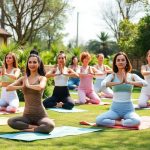
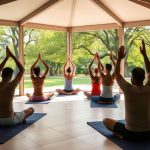

The Physiology of Breath: Why Movement Follows Breath
In classical yoga philosophy, breath is the vital link between the physical frame (Annamaya Kosha) and the subtle energy system (Pranamaya Kosha). Modern neurobiology confirms this ancient insight: breathing is the only autonomic function under direct conscious control.
┌────────────────────────────────────────────────────────────────────────┐
│               THE PHYSIOLOGICAL IMPACT OF BREATH RECALIBRATION          │
├─────────────────┬──────────────────────────────────┬───────────────────┤
│ Breathing Mode  │ Neurological Impact              │ Clinical Outcome  │
├─────────────────┼──────────────────────────────────┼───────────────────┤
│ Shallow Chest   │ Triggers sympathetic overdrive   │ Elevated heart    │
│ Breathing       │ ("fight-or-flight")              │ rate & anxiety    │
│ Slow Diaphragmatic│ Activates Vagus nerve &          │ Lowers blood      │
│ Breathing       │ parasympathetic tone ("rest")    │ pressure & stress │
│ Ratio-Controlled│ Balances oxygen-carbon dioxide   │ Mental focus &    │
│ Pranayama       │ exchange in blood plasma         │ cellular repair   │
└─────────────────┴──────────────────────────────────┴───────────────────┘
When physical postures (asanas) are synchronized with intentional inhalations, exhalations, and gentle pauses, movement becomes smooth, safe, and deeply therapeutic. Expanding the diaphragm deconstructs physical tension, massaged internal abdominal organs, and improves blood oxygenation.
Core Health Benefits of Integrated Breathing & Yoga Practice
Combining somatic posture realignment with classical breathwork yields measurable physiological and mental improvements:
| Health Metric | Impact of Breath-Centered Yoga | Clinical & Daily Outcome |
| Cardiovascular Function | Enhances vagal tone and heart rate variability (HRV) | Stabilizes baseline blood pressure |
| Respiratory System | Expands vital lung capacity & intercostal mobility | Improves oxygen exchange & stamina |
| Nervous System | Lowers circulating cortisol & adrenaline levels | Reduces anxiety & mental reactivity |
| Metabolic System | Massages visceral organs through diaphragmatic movement | Supports healthy digestion & gut ease |
| Cognitive Function | Increases alpha brainwave synchronization | Improves concentration & sleep quality |
Core Breathing Techniques Taught in Chennai Academies
Premier studios across Chennai offer a progressive curriculum of classical Pranayama and somatic breathing drills:
1. Diaphragmatic Recalibration (Belly Breathing)
Teaches practitioners to engage the primary diaphragm muscle rather than relying on chest lifting. This foundational exercise increases oxygen intake while releasing neck and shoulder tightness.
2. Nadi Shodhana (Alternate Nostril Breathing)
A foundational balancing practice where breath is inhaled and exhaled alternately through the left and right nostrils. This technique balances the autonomic nervous system, quietens mental noise, and improves focus.
3. Ujjayi Pranayama (Ocean Breath)
Involves a subtle contraction of the glottis, creating a soft, rhythmic ocean-like sound. Ujjayi builds internal heat, maintains rhythm during physical movement, and lengthens exhalations.
4. Bhramari Pranayama (Humming Bee Breath)
Exhaling while producing a smooth, low-pitched humming sound creates acoustic vibrations that stimulate nitric oxide production in the nasal passages, lowering heart rate and soothing anxiety.
5. Cooling Breaths (Sitali & Sitkari)
Inhaling air across a rolled tongue or gently closed teeth cools internal body temperature, making these techniques ideal for managing Chennai’s hot coastal climate and digestive acidity.
Designing Your Daily 30-Minute Home Breath Routine
Establishing a consistent daily home breathwork habit ensures long-term benefits between weekly studio classes:
                      [ 30-MINUTE DAILY BREATH FLOW ]
                                    │
  ┌─────────────────────────────────┼─────────────────────────────────┐
  ▼                                 ▼                                 ▼
05 Mins: Seated Alignment           15 Mins: Somatic Chest Openers    10 Mins: Targeted Pranayama
• Sukhasana upright spine          • Cat-Cow & Cobra flows            • Nadi Shodhana (12 Rounds)
• Diaphragmatic awareness check    • Seated spinal twists             • Bhramari & quiet observation
- Seated Postural Setup (5 Minutes): Sit comfortably in Sukhasana (Easy Pose) or on a firm chair with an upright spine. Place one hand on your chest and the other on your abdomen to verify that your lower hand expands outward on every inhalation.
- Somatic Chest & Spine Openers (15 Minutes): Practice gentle movement flows—such as Cat-Cow (Marjariasana), Cobra (Bhujangasana), and Seated Twists (Bharadvajasana)—to expand intercostal ribcage muscles and release tight shoulders.
- Targeted Pranayama & Rest (10 Minutes): Complete 12 rounds of Alternate Nostril Breathing (Nadi Shodhana), followed by 5 minutes of Humming Bee Breath (Bhramari). End with 3 minutes of quiet breath observation.
Top Neighborhood Hubs for Breathing and Yoga in Chennai
Chennai offers an exceptional variety of specialized academies and institutes across key residential and commercial zones:
- Mylapore, Mandaveli & Alwarpet: Traditional centers such as the Krishnamacharya Yoga Mandiram (KYM) and Isha Life specialize in individualized therapeutic breathwork, classical Viniyoga, and chanting.
- Thiruvanmiyur, Adyar & Besant Nagar: Serene coastal hubs featuring oceanfront studios, the Art of Living Center, and outdoor beachside breathwork groups.
- Anna Nagar & Shenoy Nagar: Established western centers including Asana Andiappan College of Yoga providing structured respiratory recovery modules, stress management workshops, and corporate training.
- Velachery & OMR Corridor: Tech belt centers offering early morning and post-work evening de-stress batches designed for corporate professionals.
Comparing Class Formats: Group Studio vs. 1-on-1 Therapy vs. Virtual
Selecting the right delivery model depends on your health goals, schedule, and personal budget:
| Parameter | Group Studio Class | 1-on-1 Yoga Therapy | Live Virtual Interactive |
| Personal Customization | Moderate (Standard ratio flow) | 100% Individualized | High (in small batches) |
| Focus on Respiratory Issues | General wellness & stress | Specific (Asthma, BP, post-illness) | General to moderate |
| Commute Requirement | Travel to neighborhood studio | Trainer home visit or clinic visit | Zero commute (Practice at home) |
| Schedule Flexibility | Fixed studio times | Flexible to your routine | Set online class slots |
| Average Monthly Cost | ₹2,000 – ₹5,000 | ₹6,000 – ₹12,000+ | ₹2,000 – ₹4,500 |
15 Frequently Asked Questions (FAQs)
Q1: Why is breathwork (Pranayama) given central importance in Chennai yoga classes?
Answer: In classical South Indian lineages, breath drives movement. Regulating the breath balances the autonomic nervous system, expands vital lung volume, and stills mental noise far more effectively than physical movement alone.
Q2: Can beginners with no prior yoga experience join dedicated breathing classes in Chennai?
Answer: Yes. Beginner sessions focus on foundational diaphragmatic breathing, posture alignment to free the ribcage, and basic techniques like Nadi Shodhana step-by-step.
Q3: Where can I find top-rated breathing and yoga academies in Chennai?
Answer: Key locations include Mylapore (KYM), Thiruvanmiyur/Adyar (Art of Living and coastal studios), Anna Nagar (Asana Andiappan centers), and corporate hubs along OMR.
Q4: How does controlled breathwork help manage corporate stress along the IT corridor?
Answer: Slow diaphragmatic breathing stimulates the vagus nerve, immediately shifting the autonomic nervous system out of high-stress “fight-or-flight” states to lower blood pressure, heart rate, and mental fatigue.
Q5: What is the best time of day to attend breathing and yoga classes in Chennai?
Answer: Early morning (5:30 AM to 7:30 AM) during Brahma Muhurta is ideal due to cooler coastal temperatures, unpolluted air, and minimal urban noise.
Q6: Are specialized breathing classes available for asthma or post-respiratory recovery?
Answer: Yes. Therapeutic breathwork classes utilize gentle chest-opening postures, extended exhalations, and gradual lung capacity expansion to support respiratory recovery safely.
Q7: What techniques are taught in Chennai Pranayama classes?
Answer: Practices include Nadi Shodhana (Alternate Nostril), Kapalabhati (Cleansing Breath), Ujjayi (Ocean Breath), Bhramari (Humming Bee), and cooling breaths like Sitali and Sitkari.
Q8: What attire should I wear to a dedicated breathing and yoga session?
Answer: Wear loose, unrestrictive cotton attire without tight waistbands to allow full, unhindered expansion of the abdomen and lower ribs.
Q9: How long does a standard breathing and yoga class last?
Answer: Standard sessions last 60 to 90 minutes, typically allocated as 10 minutes joint warm-up, 35 minutes somatic postures, 25 minutes Pranayama, and 10 minutes deep relaxation.
Q10: Can breathwork help relieve sleep disorders and insomnia?
Answer: Yes. Evening sessions featuring slow-paced Bhramari, Chandra Bhedana (Left Nostril Breathing), and guided Yoga Nidra relax the central nervous system to encourage natural sleep.
Q11: Are online live interactive breathing classes available alongside physical studios?
Answer: Yes, major academies across Chennai offer live interactive virtual classes, allowing remote practitioners to learn breath control techniques with real-time instructor feedback.
Q12: How much do breathing and yoga classes cost monthly in Chennai?
Answer: Monthly group class fees range from ₹2,000 to ₹5,000, while specialized 1-on-1 therapeutic breathwork or private home visits range from ₹6,000 to ₹12,000+.
Q13: Is it safe to practice advanced breath retention (Kumbhaka) without guidance?
Answer: No. Advanced breath retention (Kumbhaka) should only be learned under the direct supervision of a certified yoga master to prevent cardiovascular or respiratory strain.
Q14: Are classes conducted in both Tamil and English across Chennai?
Answer: Yes, nearly all major institutes and certified private teachers in Chennai deliver bilingual instruction in both English and Tamil.
Q15: How do I select the right breathing and yoga teacher in Chennai?
Answer: Choose teachers certified by recognized institutions (such as YCB – Ministry of AYUSH, KYM, or Yoga Alliance) who perform personalized health screenings before introducing breathwork routines.

Conclusion
Enrolling in breathing and yoga classes in Chennai provides an effective way to restore physical energy, build respiratory strength, and manage urban stress. By bringing conscious awareness to the breath and pairing it with somatic postures, you learn to regulate your nervous system naturally. Guided by Chennai’s respected master teachers and traditional institutes, establishing a daily breath practice will help you build lasting health, mental clarity, and inner peace.