Table of Contents
Best Morning Yoga Classes in Chennai | Expert Wellness Guide
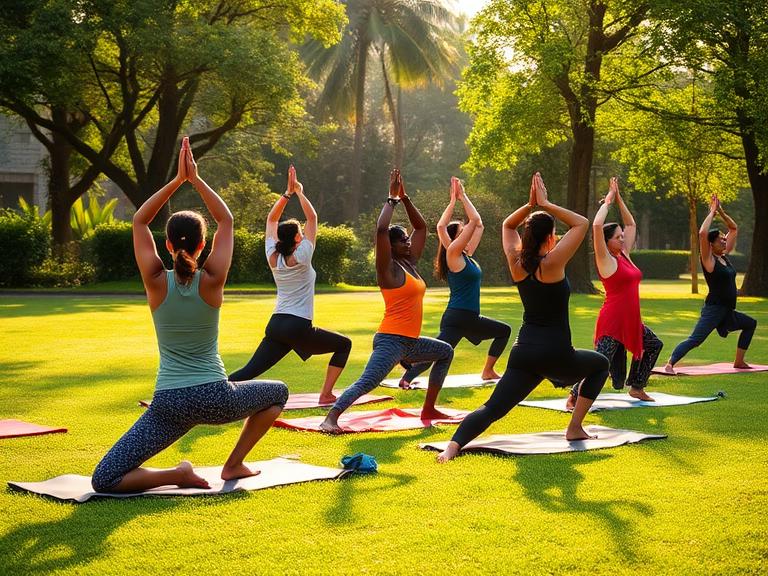
Finding the right morning yoga classes in Chennai depends on your preference for environment and instruction style. The city offers a diverse landscape of wellness options, ranging from traditional indoor studios in areas like Mylapore and Adyar to scenic open-air sessions along the East Coast Road. For those balancing a busy commute, online live sessions have become a staple of urban fitness. In Chennai, options such as Outdoor Yoga Chennai offer structured outdoor and online yoga sessions for different needs, focusing on accessibility and foundational wellness. Whether you seek a vigorous Vinyasa flow or a meditative Hatha practice, Chennai’s yoga community provides various entry points for practitioners of all levels.
Why Yoga Is Popular in Chennai
Chennai holds a unique position in the global yoga landscape, serving as a bridge between deep-rooted Vedic traditions and modern wellness movements. The city’s affinity for yoga is not merely a fitness trend but a cultural integration that has evolved with the urban lifestyle.


The Influence of Climate and Geography
The coastal climate of Chennai, characterized by its warmth and humidity, is particularly conducive to yogic practices. Heat aids in muscle flexibility and detoxification through perspiration, making the early morning hours—before the tropical sun reaches its peak—the ideal window for physical exertion. The presence of expansive beaches and green pockets like the Theosophical Society provides a natural backdrop that encourages practitioners to move their practice outdoors.
Addressing Urban Stress
As a major IT and industrial hub, Chennai faces the typical challenges of a fast-paced metropolitan area: sedentary work habits, long commutes, and high stress levels. Yoga has emerged as a primary tool for professionals to manage these pressures. The emphasis on breathwork (Pranayama) and mindfulness offers a necessary counterbalance to the digital fatigue experienced by the city’s workforce.
Cultural Heritage
Chennai is home to some of the world’s most renowned yoga lineages and institutions. This heritage has fostered a high degree of “yoga literacy” among residents. People here generally look for authenticity and depth in instruction, favoring traditional techniques that have been adapted to suit contemporary health requirements.
Types of Yoga Classes Available in Chennai
The diversity of yoga instruction in Chennai ensures that individuals can find a modality that aligns with their personal goals, whether they are focused on physical strength, mental clarity, or therapeutic recovery.
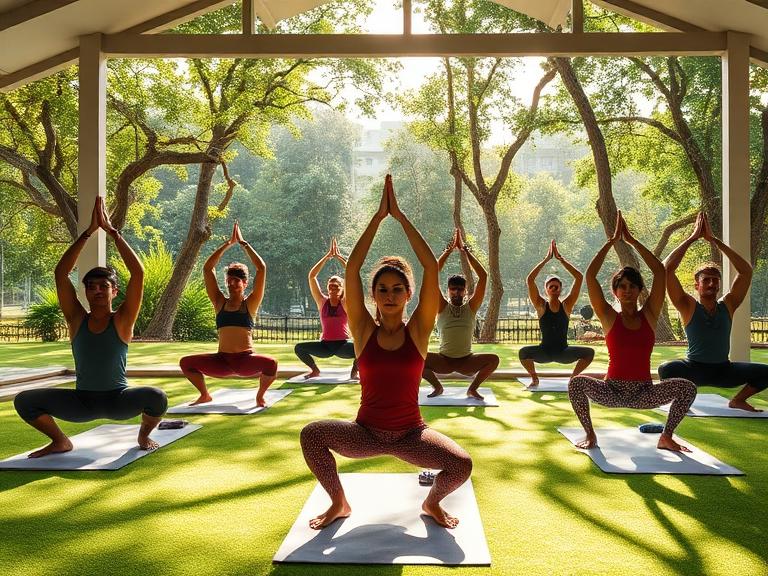
- Outdoor Yoga: Utilizing the city’s parks and beachfronts, these classes emphasize a connection with nature. Practicing in fresh air is often preferred for its grounding effects and the natural vitamin D exposure during morning hours.
- Studio-Based Yoga: Traditional brick-and-mortar studios provide a controlled environment with specialized props (blocks, straps, bolsters). These are ideal for those who prefer a dedicated, quiet space away from the elements.
- Online Yoga Classes: Growing rapidly in popularity, online sessions cater to the home-bound professional or parent. These often feature live instruction to ensure posture correction and real-time engagement despite the physical distance.
- Yoga for Women: Specialized programs focusing on prenatal, postnatal, and hormonal health are widely available. These classes provide a supportive environment tailored to the physiological needs of women at different life stages.
- Beginner-Friendly Programs: Many institutes offer foundational courses that break down complex asanas into manageable steps, ensuring that those new to the practice can build strength and confidence safely.
- Corporate Wellness Sessions: Recognizing the impact of employee health on productivity, many Chennai-based companies now host morning yoga sessions specifically designed to alleviate neck, back, and eye strain.
What to Look for in a Good Yoga Class or Institute
Selecting a yoga program requires careful consideration of several factors to ensure a safe and sustainable practice.
Instructor Experience and Certification
A reputable instructor should possess a deep understanding of human anatomy and yogic philosophy. Look for certifications from recognized bodies such as the Yoga Alliance or established traditional Indian institutions. Experience matters particularly when it comes to “adjustments”—the ability of a teacher to guide your body into the correct alignment without causing injury.
Class Structure and Progression
A well-designed morning yoga class follows a logical sequence: a gentle warm-up, a series of peak poses, and a cooling-down period ending in relaxation (Savasana). The curriculum should offer a path for progression, allowing practitioners to advance from basic movements to more complex sequences over time.
Safety and Adaptability
Yoga is not a “one-size-fits-all” practice. A quality institute emphasizes safety and offers modifications for different body types or physical limitations. Whether you have a stiff back or a previous knee injury, the instructor should be able to adapt the practice to your specific needs.
Group vs. Personalised Sessions
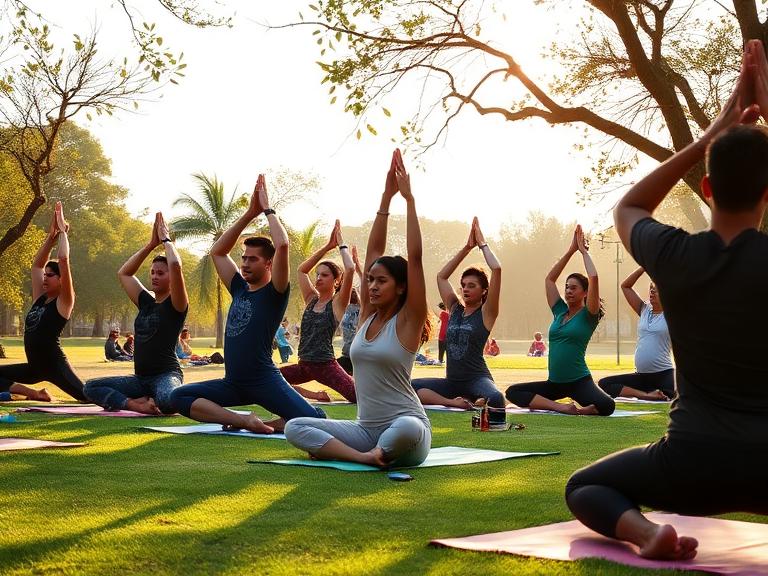
Consider your learning style. Group sessions offer a sense of community and collective energy, which can be highly motivating. However, personalized one-on-one sessions are superior for those with specific health goals or those who require intensive technical guidance.
Accessibility and Consistency
Consistency is the most critical factor in seeing results from yoga. Therefore, the location should be accessible. If a studio is too far, you are less likely to maintain a daily habit. This is why many residents choose hybrid models—attending an outdoor class on weekends and practicing online during the work week.
Who Benefits Most From Yoga Classes
While yoga is an inclusive practice, certain demographics in Chennai find it particularly transformative for their specific lifestyle challenges.
Working Professionals
The sedentary nature of office work often leads to “tech neck” and lower back pain. Morning yoga helps in realigning the spine and activating the core muscles, providing a physical “reset” before the workday begins. The mental focus gained through dhyana (meditation) also aids in better decision-making and productivity.
Women
Yoga offers significant support for women navigating various life transitions. From managing the stresses of work-life balance to addressing specific wellness needs during pregnancy or menopause, the holistic nature of the practice supports both physical resilience and emotional equilibrium.
Beginners
Individuals who have never exercised before often find yoga less intimidating than a traditional gym environment. The focus on individual progress rather than competition makes it a welcoming entry point into a healthier lifestyle.
Seniors
For the older population in Chennai, yoga is an excellent tool for maintaining joint mobility, improving balance (which prevents falls), and enhancing respiratory function. Gentle stretches and breathing exercises can significantly improve the quality of life in later years.
People Seeking Stress Relief
In an increasingly noisy world, the meditative aspect of yoga provides a sanctuary. Those dealing with anxiety or sleep disturbances often find that a consistent morning practice regulates their nervous system, leading to a calmer temperament throughout the day.
When Online or Outdoor Yoga Makes Sense
The choice between practicing in a digital space or a natural environment often depends on one’s schedule and psychological needs.
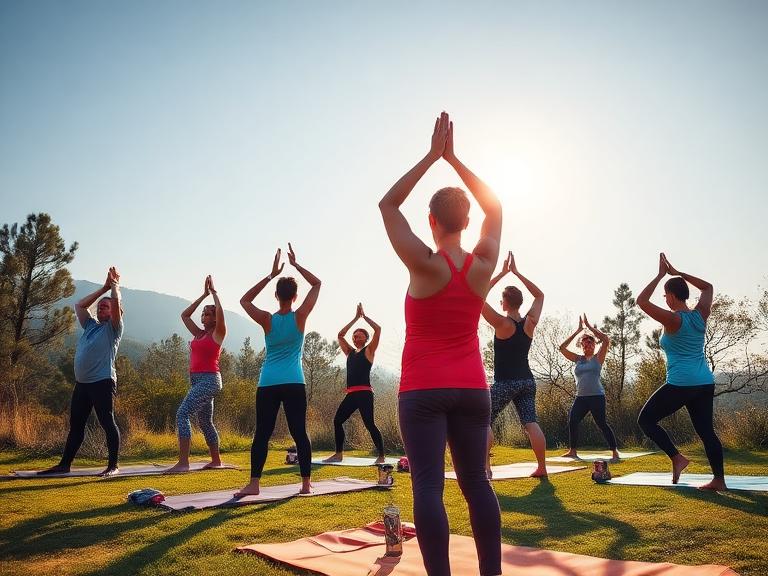
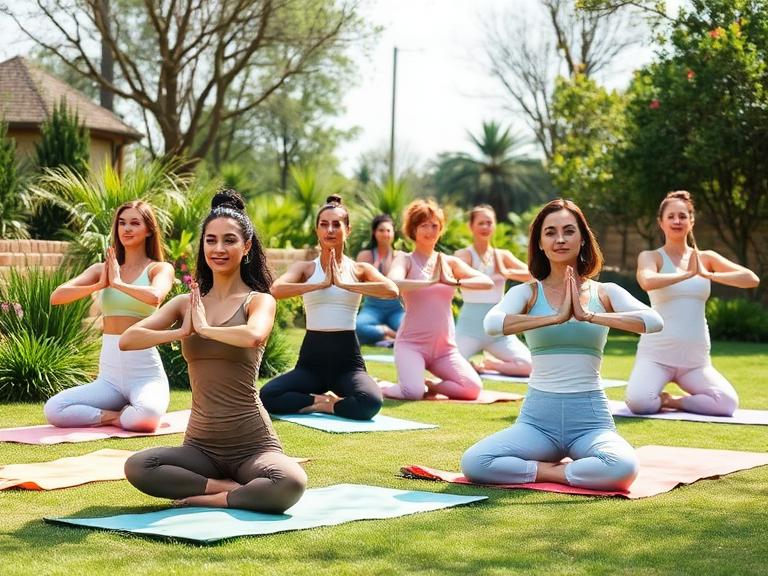
Outdoor yoga is particularly effective for those who feel “boxed in” by office or home environments. The sensory experience of feeling the breeze and hearing the ocean or birds can enhance the meditative state. It is a preferred choice for those who value community interaction and a sense of openness. For instance, yoga classes in Chennai that take place in parks or on beaches allow for a larger range of movement and a direct connection to the elements, which many find spiritually refreshing.
Online yoga makes sense for the modern Chennai resident facing heavy traffic or tight schedules. It eliminates travel time, making it easier to stick to a 6:00 AM or 7:00 AM practice before the morning rush. It also allows for a level of privacy that some beginners prefer while they are still learning the basics.
Ultimately, the best format is the one that fits seamlessly into your life. Some practitioners find that a hybrid approach—attending Outdoor Yoga Chennai sessions on Saturdays for the social and environmental benefits, while utilizing online platforms during the work week—provides the perfect balance of discipline and flexibility.
FAQs
1. What is the best time for morning yoga classes in Chennai?
Most practitioners find that between 5:30 AM and 7:30 AM is ideal. This allows you to finish your practice before the heat and humidity of the day become intense and before the city’s traffic peaks.
2. Can beginners join outdoor yoga sessions?
Yes, most outdoor sessions are designed to be inclusive. Instructors typically provide different levels of difficulty for each pose so that beginners and advanced practitioners can practice side-by-side.
3. What should I wear to a morning yoga class?
Wear breathable, stretchable clothing made of natural fibers like cotton or moisture-wicking athletic wear. Since Chennai can be warm, lightweight fabrics are highly recommended.
4. Do I need to bring my own mat to a yoga class in Chennai?
It is generally recommended to bring your own mat for hygiene reasons, especially in outdoor or high-traffic studio settings. Some studios provide mats, but having your own ensures consistency in grip and cushioning.
5. Are online yoga classes as effective as in-person ones?
Online classes can be very effective if they are “live” sessions where the instructor can see you via camera and provide verbal corrections. They offer convenience while maintaining a high standard of guidance.
6. How many times a week should I attend yoga classes?
For noticeable improvements in flexibility and stress levels, a minimum of three sessions per week is recommended. However, even a once-a-week consistent practice can yield benefits over time.
7. Is yoga better than a gym workout for weight loss?
Yoga focuses on holistic wellness, including strength, flexibility, and hormonal balance. While it may burn fewer calories per hour than high-intensity interval training, it promotes long-term lifestyle changes and mindful eating, which are crucial for weight management.
8. Are there specific yoga classes for pregnant women in Chennai?
Yes, prenatal yoga is widely available. These classes focus on pelvic floor strength, breathing techniques for labor, and gentle stretches to alleviate pregnancy-related back pain.
9. What is the average cost of yoga classes in Chennai?
Fees vary significantly based on the format. Group classes may range from ₹2,000 to ₹5,000 per month, while personalized private sessions or specialized workshops may cost more.
10. Can I practice yoga if I am not flexible?
Absolutely. Flexibility is a result of yoga, not a prerequisite. Yoga is about meeting your body where it is today and gradually expanding its capabilities.
11. Are there age limits for joining a yoga institute?
Yoga is suitable for all ages, from children to seniors. Most institutes offer age-appropriate batches to ensure the intensity and style of yoga are safe for the participants.
12. Do yoga classes in Chennai include meditation?
Most traditional and holistic yoga classes include some form of dhyana (meditation) or pranayama (breathing exercises) at the beginning or end of the physical asana practice.
13. How do I find a certified yoga teacher near me?
You can search online directories, check for Yoga Alliance certification, or ask for recommendations in local community groups. Many well-regarded teachers in Chennai also offer trial sessions.
14. What is the difference between Hatha and Vinyasa yoga?
Hatha yoga is generally slower-paced and focuses on holding individual poses. Vinyasa is more fluid, linking breath to movement in a continuous flow. Both are commonly offered in Chennai morning batches.
15. Can yoga help with back pain caused by office jobs?
Yes, specific asanas are designed to strengthen the core and stretch the hamstrings and hip flexors, which often contribute to lower back pain. Always inform your instructor of any pain before the class begins.






Leave a Comment